Amed Bali: The Black-Sand Diving Village Where Bali Finally Slows Down
This post contains affiliate links. If you book through them, we earn a small commission at no extra cost to you.
Most travelers blow through Amed in an afternoon on the way to a temple photo, never get in the water, and leave thinking it’s “just a quiet beach town.” They’ve missed it entirely. This stretch of black-sand coast under a volcano hides some of the best diving and snorkeling in Bali — and the slowest, most restorative pace on the whole island. Here’s how to do Amed right.
Why Amed Is Worth It (And Who It’s For)
If the south of Bali has worn you down, the traffic, the crowds, the sense that every beach has a beach club attached. Amed Bali is the cure. Strung along the northeast coast beneath the towering cone of Mount Agung, Amed isn’t a single town but a chain of small fishing villages connected by one coastal road, with black volcanic sand beaches, coral reefs right off the shore, and a pace of life that the rest of the island traded away years ago.
Amed is best known for one thing above all: it’s one of the best places to dive and snorkel in Bali, with healthy coral reefs and famous shipwrecks accessible directly from the beach. But it’s also a place to do gloriously little — watch fishermen bring in the morning catch, swim before breakfast, eat cheaply at warungs with the sea in front of you, and watch the sun set behind a volcano with a Bintang in hand.
Here’s the honest framing that most guides skip: Amed suits a specific kind of traveler. If you dive or snorkel, love quiet over nightlife, and want authentic, slow, affordable Bali, you’ll adore it — many visitors call it their favorite place on the island. If you need beach clubs, shopping, a buzzing food scene, or white powder sand, you may find it sleepy and the black sand not to your taste. This guide will help you decide, and if Amed is your kind of place, show you exactly how to make the most of it.
Things to Do in Amed
For such a sleepy place, Amed offers plenty — though almost all of it revolves around the sea and the slow pace. The headline activities are diving and snorkeling on the reefs and shipwrecks right off the coast. Beyond the water, you can watch the sunrise over the sea and the sunset behind Mount Agung, explore the traditional salt-making farms, ride a scooter inland to find hidden rice terraces and mountain views, and use Amed as a base for some of East Bali’s most famous temples and palaces.
The attractions are spread along the coastal road and into the hills, so you’ll want a scooter or a driver to reach most of them — more on that below. But the real magic of Amed isn’t any single attraction. It’s the rhythm: early swims, long lunches, afternoon dives, sunset drinks, repeat. What follows are the things genuinely worth your time.
Diving in Amed
Amed is one of Bali’s premier diving destinations, and for many visitors it’s the entire reason to come. What makes it special is the shore diving — most of the best sites are accessible by simply walking into the water from the beach, which keeps prices lower than boat-based diving elsewhere in Bali and makes it ideal for beginners and certification courses.
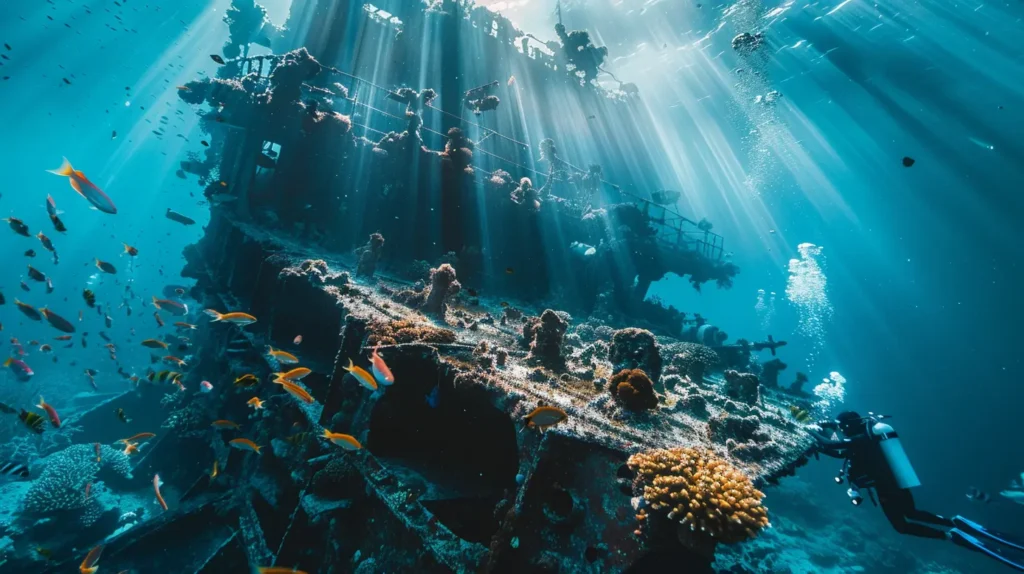
The most famous dive in the area is the USAT Liberty shipwreck at Tulamben, about 30 minutes north of Amed — a WWII-era cargo ship resting just offshore, now an artificial reef teeming with life and one of the most accessible and rewarding wreck dives in the world. It’s hugely popular with beginners and experienced divers alike. Closer to Amed itself, standout sites include Jemeluk Bay, with a sandy slope leading to a wall covered in pink fan corals, and the Pyramids, an artificial reef of concrete structures that attract moray eels, pufferfish, scorpionfish, and octopus. There’s also a Japanese shipwreck at Banyuning, accessible to both divers and snorkelers.
The diving here is consistently praised for healthy coral, excellent visibility (often around 20 meters), warm water, and abundant marine life including turtles. Amed is also a major hub for freediving and underwater photography, with several specialist schools. Whether you want to learn to dive on a PADI course, log experienced dives at competitive prices, or just try a discovery dive, Amed delivers.
One important safety note: never dive and then travel to altitude on the same day — many of Amed’s inland and temple attractions are at elevation, so plan your dive days and sightseeing days separately.
👉 Book a Tulamben Liberty Wreck dive experience on Viator
Snorkeling in Amed
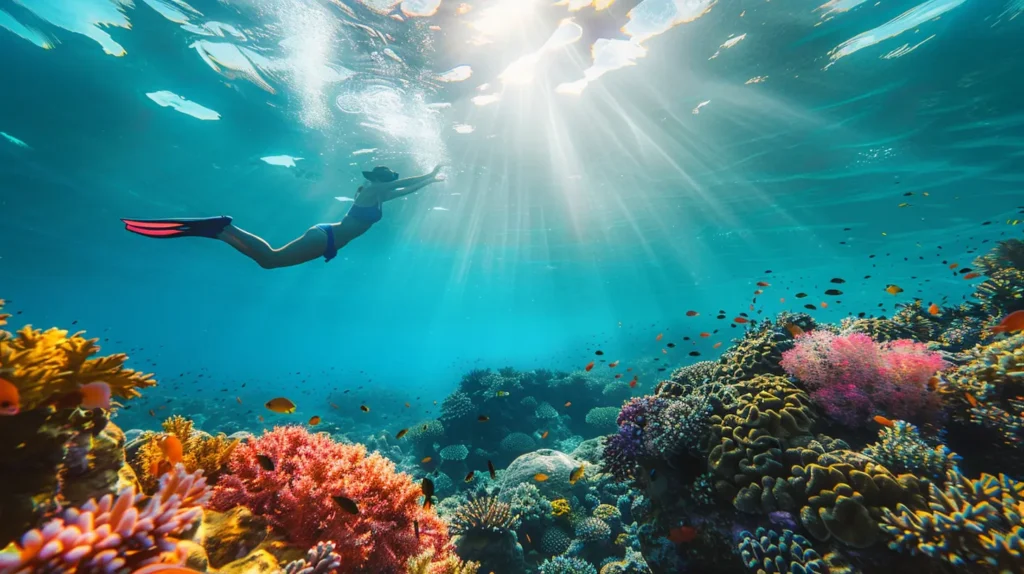
You absolutely do not need to be a diver to experience Amed’s underwater world — the snorkeling here is some of the best and most accessible in Bali, and for many travelers it’s the highlight of the trip. Because the reefs come right up into shallow water just off the beach, you can rent a mask and fins from a beachside vendor, walk in, and be floating over healthy coral and tropical fish within minutes. No boat required.
The best snorkeling spots are Jemeluk Bay, the easternmost village, where gentle conditions and shallow corals make it ideal, and Lipah Bay, where you can snorkel out to the Japanese shipwreck a short swim from shore. Expect to see vibrant coral gardens, big shoals of fish, the occasional turtle, and at Jemeluk an underwater postbox and statues that have become a fun novelty.
Renting snorkel gear from a beach vendor typically costs around 50,000 IDR, and you can hire a beach chair and umbrella for a similar price for the day. If you want to cover several spots in one go, snorkeling boat tours run along the coast and out to the best reefs. Mornings tend to have the calmest, clearest water, so go early.
👉 Book an Amed snorkeling trip on Viator
Sunset Point and the Black Sand Beaches
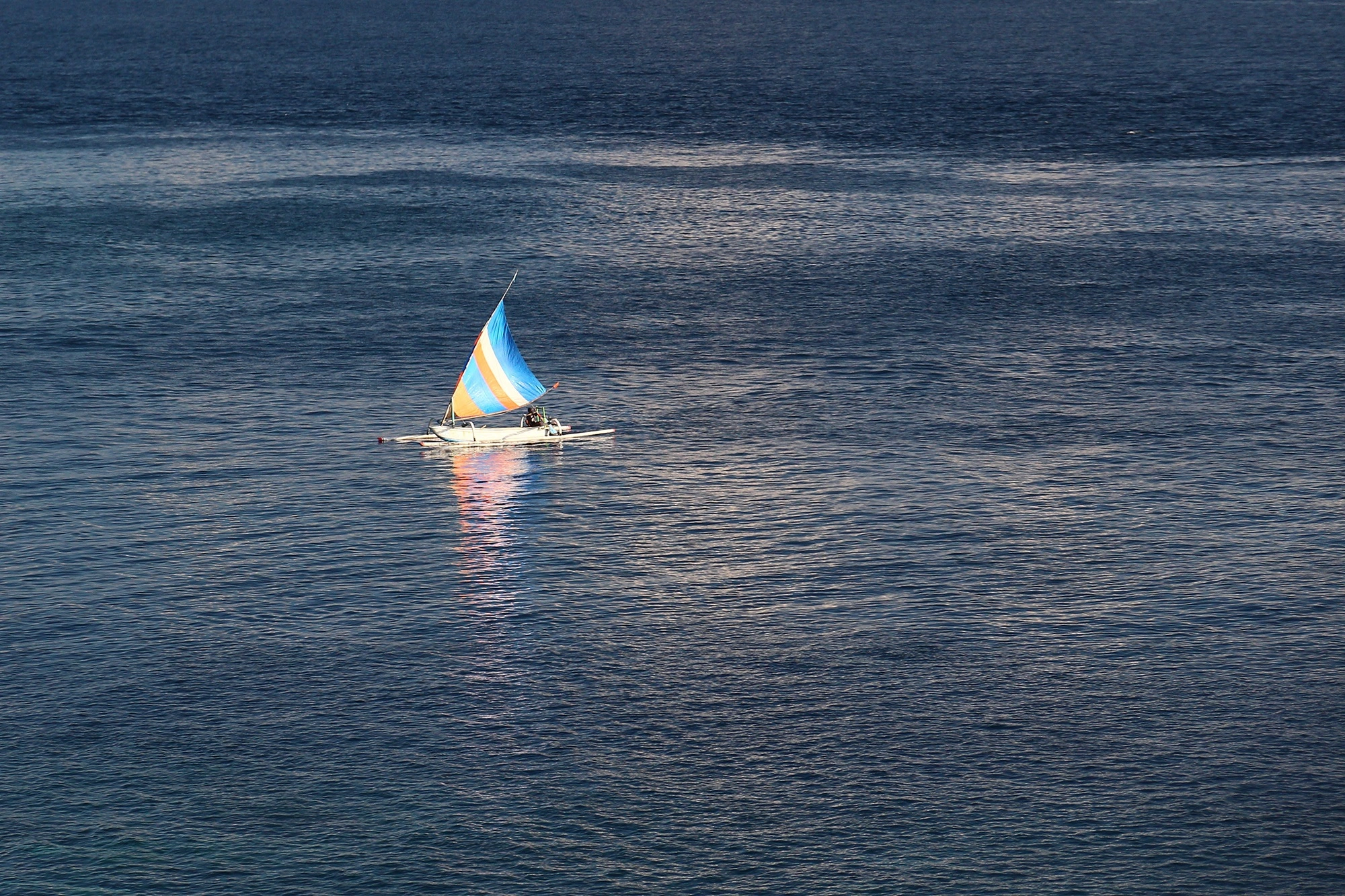
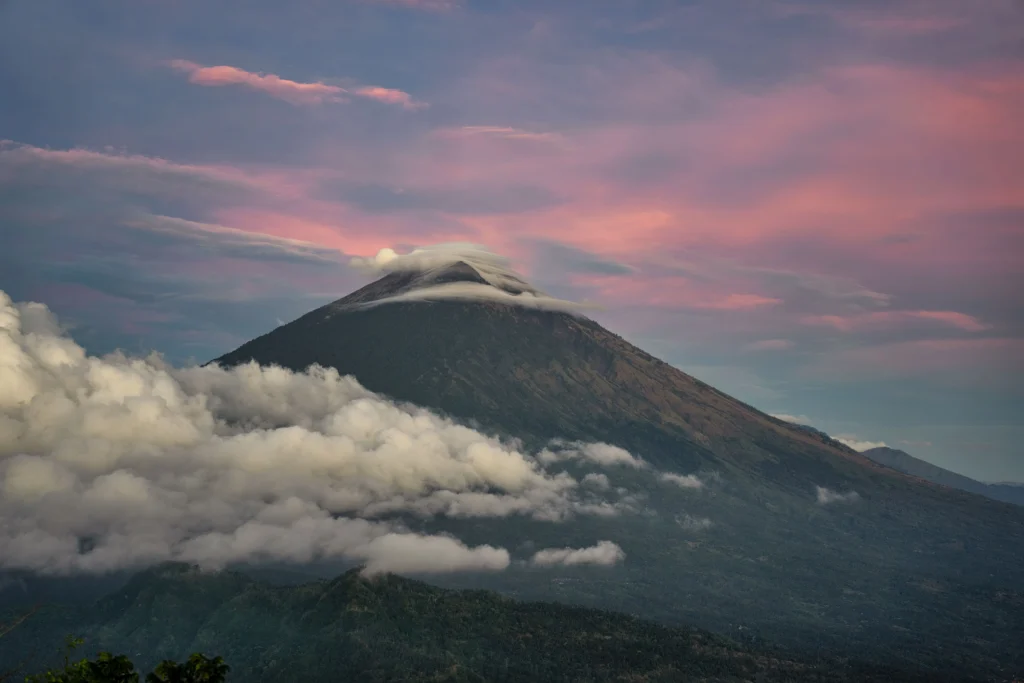
Amed’s beaches are black volcanic sand — a striking, dark, coarse-grained shore that’s a complete contrast to the white sand of the south. Some travelers expect to dislike it and end up loving it: the sand feels clean, the colour is dramatic against the turquoise water, and the rows of traditional jukung fishing boats lined along the shore make it endlessly photogenic. Because Amed faces the sea with Mount Agung behind, you get a rare double gift — sunrise over the water in the morning, and sunset behind the volcano in the evening.
The most popular spot to watch the sun go down is Sunset Point, a low-key clifftop bar and restaurant about 10 minutes’ drive from Amed Beach, with knockout views over Jemeluk Bay and Mount Agung. You can grab a beanbag or table, order drinks and food, and watch the sky light up. There’s usually a minimum spend (redeemable on food and drinks) and the front-row seats fill fast, so arrive early or reserve ahead. There’s also an infinity pool for guests, which makes it a lovely spot to linger.
For sunrise, simply staying near Amed Beach means you can roll out of bed and onto the sand to watch the fishermen return with the morning catch as the sky turns pink and orange behind you. It’s one of the most peaceful mornings you’ll have anywhere in Bali.
Traditional Amed Salt Farms
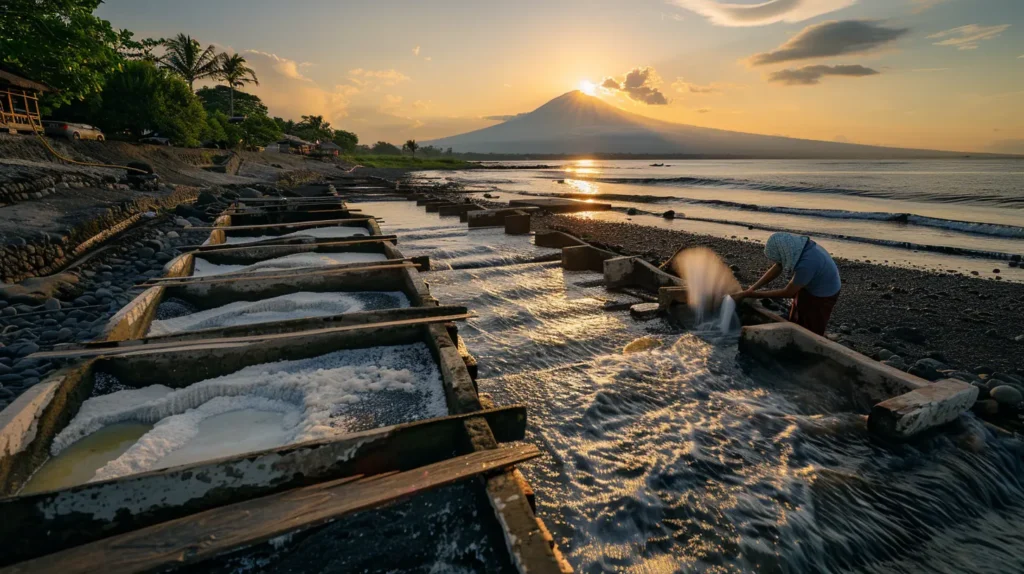
Here’s something most Amed guides barely mention, and it’s genuinely one of the most fascinating things in the area: traditional sea salt production. Amed has been making salt by hand for generations using a unique evaporation process, and you can still see the artisanal salt farms operating right in the heart of the coast.
Local salt farmers carry seawater up from the shore, spread it across blackened wooden troughs and palm-trunk evaporation beds to dry under the sun, then harvest the crystallized salt by hand. The process is labour-intensive, weather-dependent, and increasingly rare — Amed salt has even gained recognition as a protected artisanal product. Visiting the Amed Salt Centre, you can watch the process, learn about this disappearing craft, and buy the finished salt directly from the people who made it.
It’s a quiet, authentic, deeply local experience that has nothing to do with diving or beaches, and it’s exactly the kind of thing that makes Amed feel like the real Bali. If you want a break from the water, spend an hour with the salt farmers — it’s free or near-free, genuinely interesting, and directly supports the local community.
Day Trips from Amed
Amed sits in the heart of East Bali, one of the most beautiful and least crowded parts of the island, and it makes an excellent base for some of Bali’s most famous cultural sights.
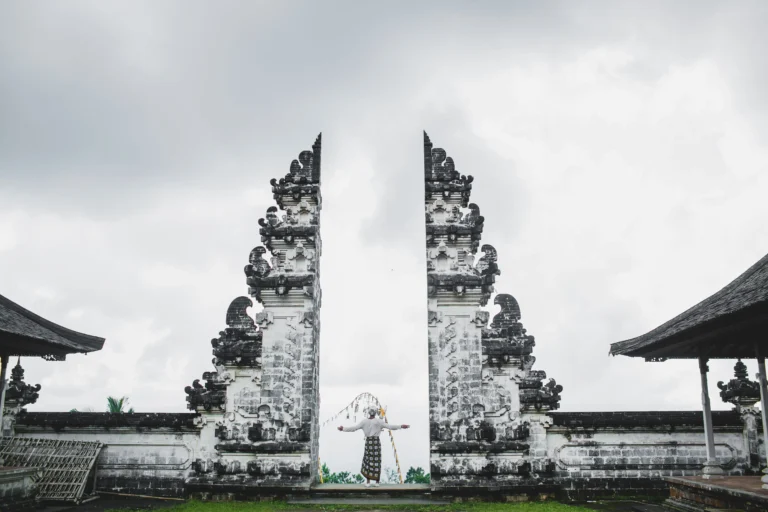
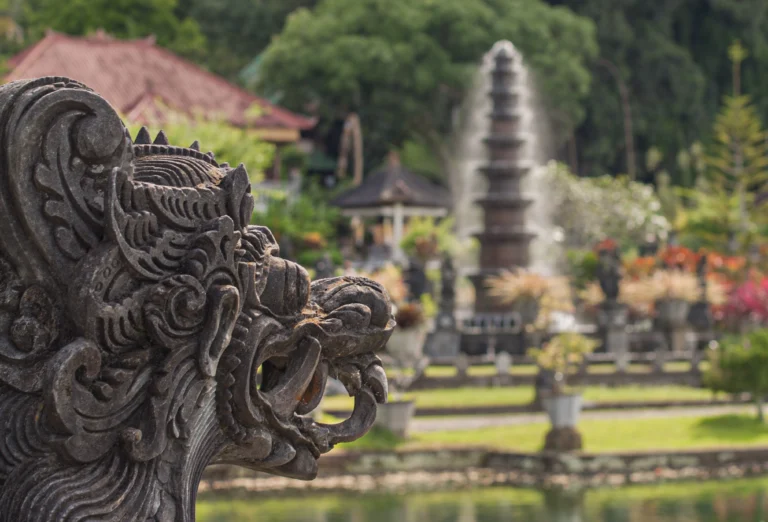
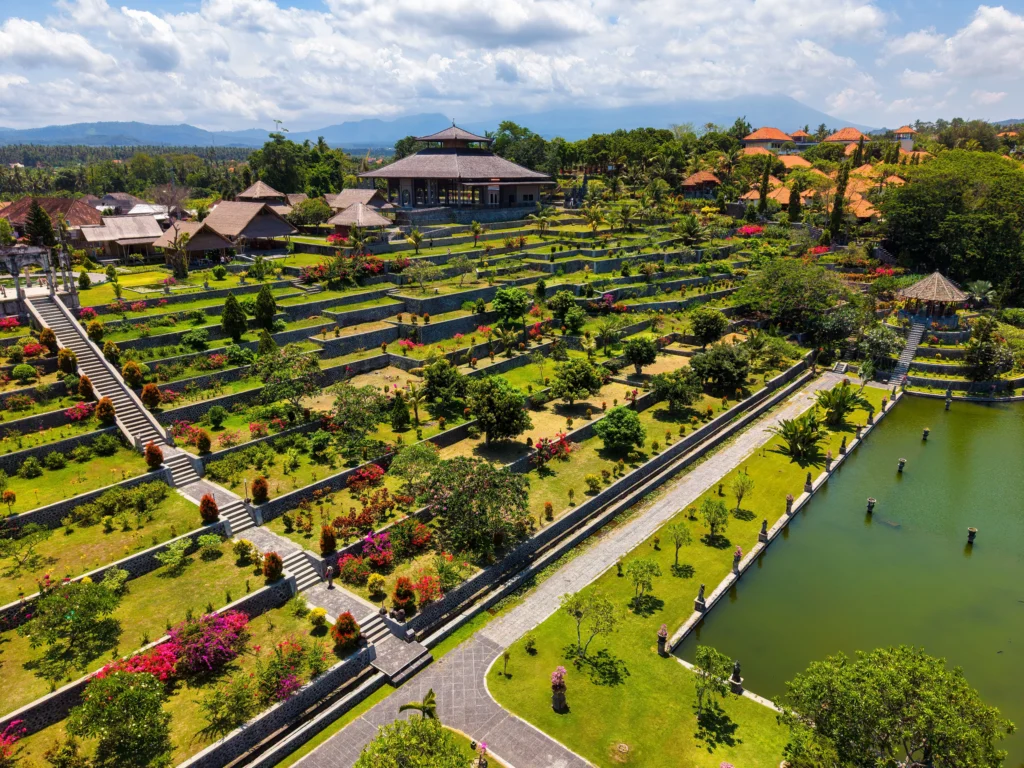
Tirta Gangga is the closest and most popular — a former royal water palace about 30–40 minutes away, with ornate fountains, koi-filled ponds, and stepping stones you can walk across the water on. Go early to beat the crowds and the heat. Pura Lempuyang, the famous “Gates of Heaven” temple framing Mount Agung, is nearby and one of Bali’s most photographed (and most queued) spots — again, arrive early. Both are often combined into a single East Bali day tour with a driver.
Beyond the temples, the area around Amed hides coffee plantations, the Sibetan rice terraces, hidden white-sand beaches like Virgin Beach near Candidasa, and the Lotus Lagoon. For the adventurous, a sunrise hike up Mount Agung itself is possible (challenging and serious), or the easier Mount Batur sunrise trek is within reach. Amed also pairs beautifully with other quiet corners of the island — our Lovina town and Munduk Bali guides cover the natural North Bali route, and the things to do in Uluwatu guide covers the dramatic south if you’re heading back that way.
👉 Book a Tirta Gangga and Lempuyang Temple day tour on Viator
Where to Stay in Amed
Amed stretches for around 14 kilometers along the coast through several villages, and where you base yourself shapes your trip. The main areas, roughly east to west, include Amed Beach and Jemeluk Bay (the most central, best for first-timers, walkable to warungs and snorkeling), and Lipah Bay and the quieter stretches further along (more secluded, good for divers and those wanting calm). Since the coast is long, staying near the bay you’ll spend the most time in saves a lot of back-and-forth.
The good news: Amed is one of the more affordable parts of Bali, and even beachfront accommodation is reasonable. Budget guesthouses and dive lodges start as low as $15–$30 a night — simple, clean, often with a pool, and frequently affiliated with dive centers if you’re there to dive. Mid-range oceanfront hotels with pools and sea-view balconies run $50–$100 and represent excellent value. At the higher end, a growing number of boutique villas and luxury resorts offer private infinity pools with uninterrupted Mount Agung views for $150–$300+ — spectacular for a honeymoon or a special stay.
My honest recommendation: since you’ve come all this way to a laid-back beach town, stay somewhere with an ocean view, ideally beachfront. On a short visit especially, being right on the water saves you constantly driving the coastal road and means you can roll straight out to sunrise and snorkeling.
👉 Browse oceanfront Amed stays on Hotels.com
Where to Eat in Amed
Amed’s food scene is small, local, and inexpensive — don’t expect the variety of Seminyak or Ubud, but do expect friendly warungs, fresh seafood, and some of the best value meals in Bali, very often with a sea view thrown in for free.
The local warungs are the heart of it. Family-run spots serve home-cooked Indonesian food — nasi goreng, mie goreng, fresh grilled fish, gado-gado — with mains often costing just 20,000–40,000 IDR (a dollar or two). Because much of the catch is local, the seafood is about as fresh as it gets. Many warungs sit right on the beach or along the road with views over the bay, so you can eat with your feet near the sand and Mount Agung in the distance.
There are also a handful of slightly more upscale and Western-friendly restaurants and cafes catering to the diving and long-stay crowd, serving everything from fusion dishes to proper espresso (genuine coffee can be hard to find in rural Bali, so the cafes that do it well are prized). Wherever you eat, bring cash — almost nowhere takes cards, which leads to the most important practical tip about Amed, below.
How to Get to Amed and Around
Amed sits in Bali’s far northeast, roughly 2.5 to 3 hours by car from the airport, Ubud, or the southern beaches. The most practical way to get there is hiring a private driver, which is affordable and lets you break up the journey with stops at East Bali highlights like Tirta Gangga and a coffee plantation — effectively turning the transfer into a sightseeing day. Tourist shuttle buses also run from hubs like Ubud for budget travelers. Our transportation guide in Bali covers all the options.
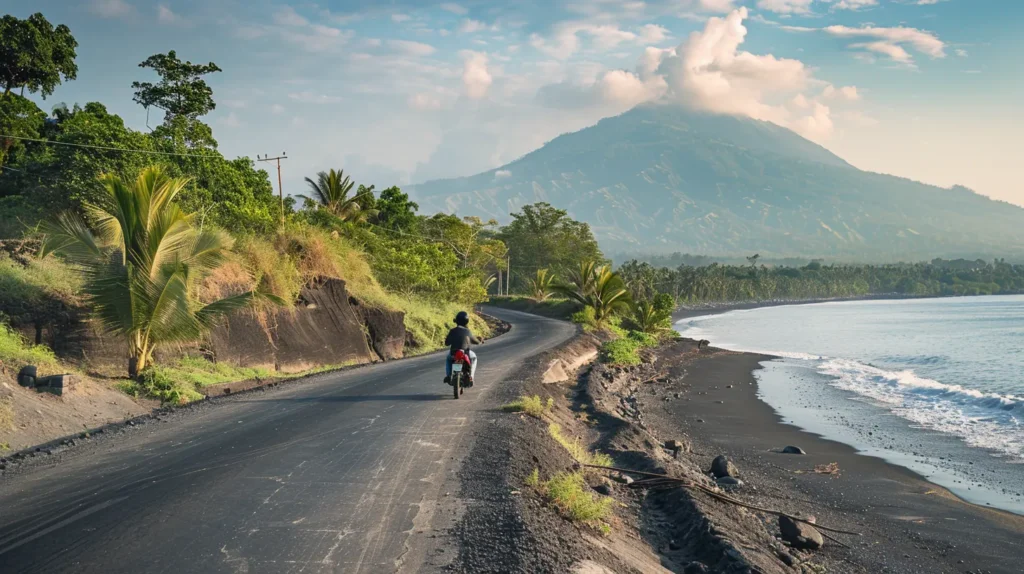
Critically — and this trips up a lot of visitors — there is no Grab or Gojek in Amed. The ride-hailing apps simply don’t operate here. Once you arrive, getting around means renting a scooter, arranging a driver through your accommodation, or walking. The good news is that the coastal roads are quiet and far less chaotic than the south, so Amed is actually one of the easier places in Bali to ride a scooter if you’re a confident rider. Scooter rental runs around 50,000–80,000 IDR (about $4–8) per day. Many dive centers and restaurants will also pick you up and drop you off.
Two honest safety notes the glossy guides skip: the coastal road has no pavement and no street lighting, and it’s narrow, so take real care walking it, especially after dark. And as always in Bali, wear a helmet and make sure your travel insurance covers scooter riding (and diving, if you’re diving) — our travel insurance Bali guide explains why this matters so much.
👉 Book a private driver transfer to Amed on Viator
A Perfect 2–3 Day Amed Itinerary
Amed rewards a relaxed pace, so resist cramming. Here’s how I’d structure a short stay.
Day 1 — Arrival and sunset. Make the drive from the south or Ubud a sightseeing day, stopping at Tirta Gangga and Lempuyang temple on the way (do these on arrival day, before any diving, since they’re at altitude). Check into your oceanfront stay, settle in, and head to Sunset Point for drinks as the sun drops behind Mount Agung.
Day 2 — Underwater Amed. Start with sunrise on the beach, then spend the day in the water — a guided dive or snorkel at Jemeluk Bay and the reefs, or a trip up to the Tulamben Liberty wreck. If you’re not diving, snorkel straight off the beach and swim out to the Japanese wreck at Lipah. Long warung lunch, lazy afternoon, beach swim.
Day 3 — Slow morning and salt. Another sunrise swim, then visit the traditional salt farms and Salt Centre to see the artisanal process and pick up some salt. Ride a scooter inland to find the hidden rice terraces and mountain views, or simply do nothing on the beach. If you’re continuing your trip, Amed connects naturally onward to the Gili Islands/Lombok (via Padangbai) or back along the coast toward the north — our Lovina town guide picks up the North Bali route.
My Personal Tips for Visiting Amed
Amed is one of the places I send people who tell me they “didn’t really get” Bali — and here’s what I’d genuinely pass on to make it land.
Get in the water, even if you don’t dive. The single biggest mistake I see is people treating Amed as just a quiet beach stop and never snorkeling. The reefs are right off the sand — rent a mask for a couple of dollars, walk in, and you’ll understand within minutes why divers travel across the world for this coast. If you’ve ever thought about learning to dive, Amed’s calm, shallow, shore-based sites are one of the best and most affordable places in the world to do it.
Bring cash — properly. This is the practical tip that matters most in Amed. There’s essentially one reliable ATM in the whole area, it queues up and runs out of money regularly, and almost nowhere takes cards — including many dive centers. Arrive with enough rupiah for your whole stay (dives, food, scooter, accommodation) rather than relying on withdrawing it there. I learned this the hard way standing in an ATM queue that wasn’t moving.
Stay beachfront and wake up for sunrise. Amed gives you both sunrise over the sea and sunset behind the volcano, which is rare, and the sunrises — fishermen bringing in the catch, the sky turning candy colours behind Mount Agung — are the quiet magic most visitors sleep through. Stay on the water and it costs you nothing but an early alarm.
Don’t dive and then go to altitude the same day. It’s a genuine safety rule that catches tourists out: the temples, rice terraces, and mountain viewpoints around Amed are at elevation, and going up there too soon after diving is dangerous. Plan your dive days and your sightseeing days separately.
And give it time to work on you. Amed isn’t a checklist of attractions — it’s a pace. The travelers who love it most are the ones who stayed three nights instead of one, fell into the rhythm of swim-eat-dive-sunset, and left feeling genuinely rested. For everything else you’ll want before your trip, our best time to travel to Bali, transportation guide in Bali, and is Bali safe guides have you covered.
👉 Book Amed diving, snorkeling, and East Bali day tours on Viator