Is Bali Safe? An Honest 2026 Guide to What’s Real and What’s Not
This post contains affiliate links. If you book through them, we earn a small commission at no extra cost to you.
Every first-time visitor asks it, and the internet gives wildly mixed answers — paradise on one site, cautionary tales on the next. The honest truth sits in between, and once you know which risks are real and which are noise, you can stop worrying and start planning. Here’s the straight answer.
Is Bali Safe? The Short Answer
Let’s answer the question directly before getting into the detail: yes, Bali is safe for the vast majority of travelers. Setting aside everything else, Bali is one of the safest tourist destinations in Southeast Asia, and violent crime against foreign visitors is extremely rare. Millions of people visit every year and have completely smooth, worry-free trips.
That’s not the same as saying nothing ever goes wrong. The risks in Bali are real but mundane — the kind of things that affect any busy tourist destination. The biggest issues affecting tourists are largely self-inflicted or easily avoided: scooter accidents, petty theft, and the occasional scam. None of these involve the dramatic dangers that the more alarmist corners of the internet suggest.
For context on how authorities rate it, the U.S. State Department rates Indonesia at Level 2 — “Exercise Increased Caution,” which is the same level applied to many popular European destinations and reflects general caution rather than a specific Bali threat. The rest of this guide breaks down the actual risks honestly, without fearmongering and without pretending the island is risk-free.
Crime in Bali: What’s Actually Common
The reality of crime in Bali is reassuring once you understand the shape of it. According to local police data, theft and fraud account for 70–80% of all crimes reported by tourists in Bali. In other words, the overwhelming majority of incidents are non-violent — scams, pickpocketing, and petty theft rather than anything that threatens your safety.
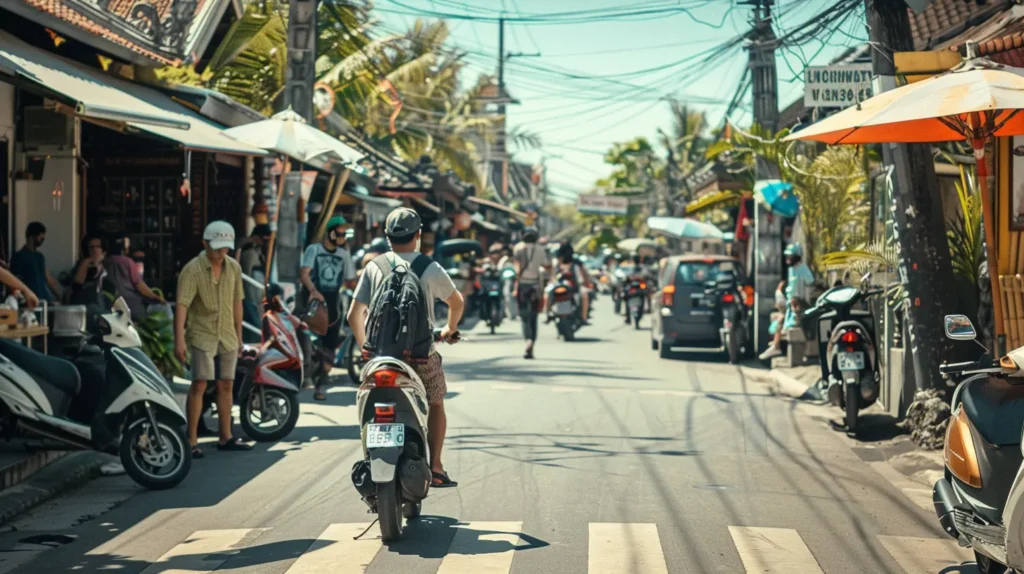
The single most common incident is phone snatching — two people on a scooter grab your phone as they pass. This happens most in busy areas like Canggu, Seminyak, and Kuta, typically when someone is holding their phone loosely near the road while walking. It’s opportunistic, not targeted, and almost entirely preventable: keep your phone in a zipped pocket or bag when walking near roads, don’t use it while standing on the kerb, and avoid dangling bags on the traffic side.
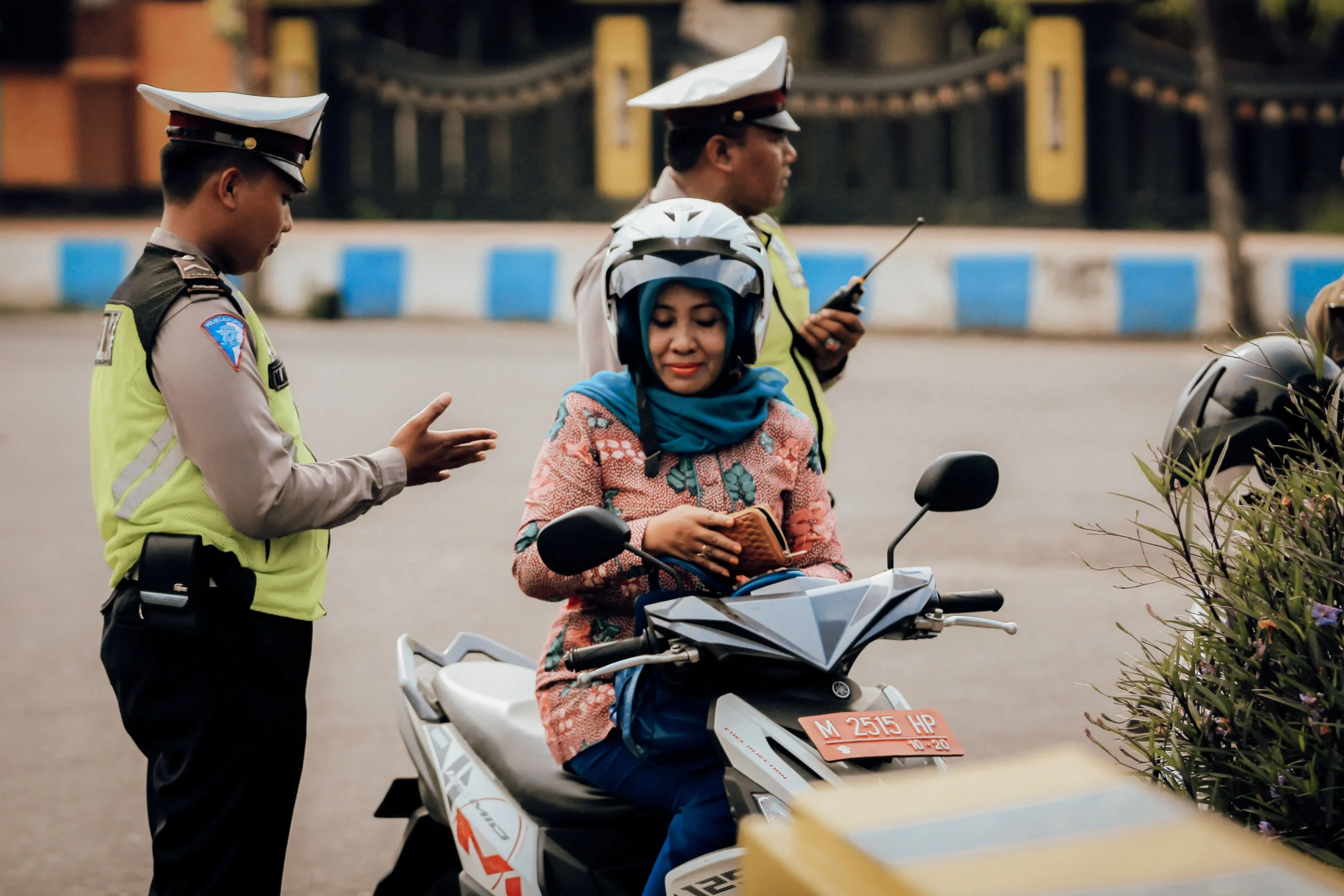
Violent crime targeting tourists is genuinely rare, and Bali also has a dedicated Tourist Police force (Polisi Pariwisata) whose officers are trained specifically to assist international visitors. In the main tourist areas, they’re present and approachable. One useful way to think about it: Bali doesn’t have high crime, it has high opportunity. When tourists switch off completely because they’re “on holiday,” petty crime fills the gap. Normal awareness goes a long way.
The Biggest Real Risk: Scooters
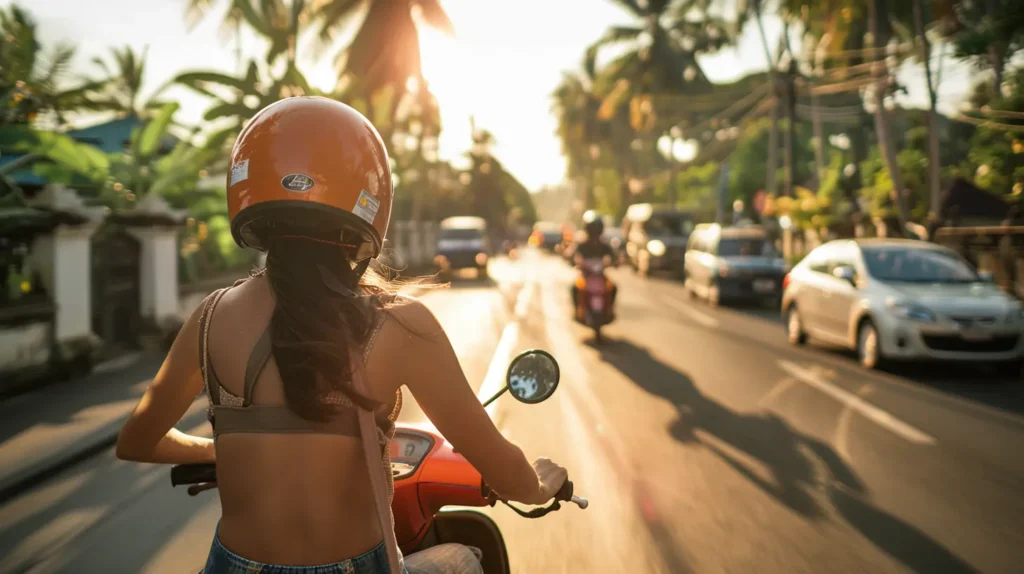
If there’s one genuine danger in Bali that deserves serious attention, it’s not crime — it’s scooters. Scooter accidents are the most common way tourists get hurt in Bali, and the risk is significantly higher than most visitors appreciate.
The reasons are straightforward. Roads in Bali are often steep, narrow, and crowded, surfaces can be uneven or sandy, and cars, trucks, and motorbikes all compete for space while many drivers ignore traffic rules. Add inexperienced tourists who’ve never ridden a scooter before, sometimes without a proper license or helmet, and the result is a steady stream of injuries — the road-rash “Bali tattoo” is practically a rite of passage, and serious accidents happen too.
If you’re going to ride, take it seriously. Always wear a helmet, even for short trips. Make sure you have an appropriate license and that your travel insurance actually covers scooter riding — many basic policies don’t, and a serious accident without coverage can be financially devastating. Ride cautiously, don’t ride at night on unfamiliar roads, and never ride after drinking. If you’re not a confident rider, don’t learn on Bali’s roads — use ride-hailing apps like Grab and Gojek instead, which are cheap, reliable, and far safer.
Common Scams and How to Avoid Them
Scams in Bali are the most reported tourist issue, but the good news is they’re predictable, non-violent, and easy to sidestep once you know the patterns. Think inconvenience and mild annoyance, not emptied bank accounts.
The most common ones to watch for: money exchange scams, where street changers use sleight-of-hand tricks — use ATMs or licensed exchange counters and avoid street changers entirely. Inflated taxi fares — use ride-hailing apps (Grab or Gojek) or agree on a fare before getting in rather than trusting an unmetered taxi. Fuel scams, where roadside vendors sell diluted petrol in bottles or station attendants short-change you — purchase fuel at official Pertamina stations.
There’s also a rise in booking scams worth knowing about. Some fake villa listings trick tourists — scammers take deposits, copy pictures of real homes, and then disappear. Protect yourself by booking through trusted platforms, looking at recent reviews, and being wary of listings priced suspiciously below similar options. The same caution applies to visa agents and tour operators: use established names with good reviews and avoid deals that are far cheaper than everything else.
None of these are unique to Bali, and all are manageable with basic awareness. Once you know what they look like, they’re easy to avoid.

Is Bali Safe for Solo Female Travelers?
Generally, yes — Bali is one of the more comfortable destinations in Southeast Asia for solo female travelers, and women travel solo here all the time without issues. Harassment is uncommon, and most uncomfortable situations involve drunk tourists rather than locals.
That said, the same sensible precautions that apply anywhere apply here. Travel advisories do report occasional cases of harassment, and most serious incidents tend to occur in nightlife settings or after drinks have been left unattended. Practical steps go a long way: keep an eye on your drinks, use registered transport like Grab at night rather than walking alone on poorly lit roads, avoid isolated areas after dark, and dress modestly when visiting temples and more traditional areas out of respect.
The quieter, more cultural areas — Ubud and Uluwatu — tend to feel calmer and safer at night than the party-centered areas like Kuta. Many solo female travelers find Ubud in particular a welcoming and easy base. With normal awareness, solo female travel in Bali is very doable and hugely rewarding.
Is Bali Safe for Families?
Yes, Bali is very family-friendly, and it’s a hugely popular destination for families with children of all ages. The Balinese are genuinely warm toward children, and the island has the infrastructure — family resorts, kids’ clubs, calm beaches — to make traveling with kids easy.
The main risks for families aren’t crime but the everyday ones: traffic, pools, and sun exposure. Choosing accommodation away from busy roads, supervising children near pools and the ocean, and being diligent about sun protection in the tropical heat handle most of it. The calm, protected water at beaches like Nusa Dua makes them far better for young children than the surf beaches — our Nusa Dua Beach guide covers why it’s such a strong family choice.
Bali belly can affect children more quickly than adults due to dehydration risk, so the food and water precautions in our what is Bali belly guide are worth reading before you go with kids.
Health and Natural Risks
A few non-crime risks round out the honest picture. Bali belly — travelers’ stomach upset — is common but usually mild and preventable with sensible food and water habits. Mosquito-borne illnesses like dengue exist, so repellent is worth using, particularly in the wet season and in more rural and jungle areas.
Bali is also volcanically and seismically active. Mount Agung and other volcanoes occasionally show activity, and earthquakes happen. The reassuring part is that warnings and updates are shared early when issues arise, whether weather or volcanic activity, and the tourism infrastructure is well-prepared. Following local guidance and registering with your government’s traveler program (like the US STEP program) means you’ll get alerts if anything develops.
The ocean deserves respect too. Many of Bali’s famous beaches have strong currents and powerful surf — swim where it’s flagged as safe, heed warnings, and don’t underestimate the water at the surf beaches.
Safest Areas in Bali
Safety does vary a little by area, which is worth factoring into where you base yourself. Ubud is quiet, cultural, and relaxed — very safe, with petty theft possible but uncommon. Uluwatu is cliffside, calm, and villa-based — safe, though small roads have limited lighting, so use transport at night. Nusa Dua is a manicured resort enclave and one of the most secure, family-friendly areas on the island.
Canggu is popular with digital nomads and generally safe but busy, with scooter accidents more common due to the traffic. Seminyak is safe and well-policed but busier, with more petty crime and scams than the quieter areas. Kuta, the long-standing party center, has the highest concentration of petty crime and scams and warrants the most caution at night.
If you’re choosing primarily for a calm, safe atmosphere, Ubud and Uluwatu tend to feel the most relaxed. For the full breakdown of each area, our where to stay in Ubud and Seminyak travel guide go deeper.
My Practical Safety Tips
After many trips, here’s what actually keeps a Bali trip smooth and safe.
Treat scooters as the real risk, not crime. If you ride, wear a helmet every time, confirm your insurance covers it, and never ride drunk or at night on roads you don’t know. If you’re not confident, use Grab and Gojek — they’re cheap and remove the single biggest danger.
Keep your phone secure near roads. Phone snatching is the most common incident and almost always happens when a phone is held loosely near traffic. A zipped bag or pocket near the road solves it.
Use ATMs and registered transport. Skip street money changers, use official Pertamina fuel stations, and book taxis through apps. That removes most of the common scams in one move.
Book accommodation and tours through trusted platforms. Fake villa listings and dodgy agents are a growing scam — stick to established booking sites, read recent reviews, and be skeptical of prices that seem too good.
Get proper travel insurance before you fly. It’s the single best protection against the things that actually go wrong in Bali — a scooter accident, a hospital visit, or a serious bout of Bali belly. Make sure it covers scooter riding and any activities you’re planning.
For everything else you need before your trip, our Bali entry requirements and visa on arrival at Bali guides cover the paperwork, and the complete Bali travel guide helps you plan the rest.