Uluwatu Surf: The Honest Guide to Bali’s Most Famous Wave
This post contains affiliate links. If you book through them, we earn a small commission at no extra cost to you.
Why Uluwatu Is a Surfing Legend
I want to be honest with you from the start: I’m not a surfer. I’ve taken beginner lessons on gentler beaches, I’ve spent more hours than I can count watching the water from the cliffs, and I’ve talked to enough surfers over enough Bintangs to understand why this place matters — but I’ve never paddled out at the main break, and I’m not going to pretend otherwise. What I can tell you is everything I’ve learned about Uluwatu surf from years of visiting, watching, and asking the people who actually ride it.

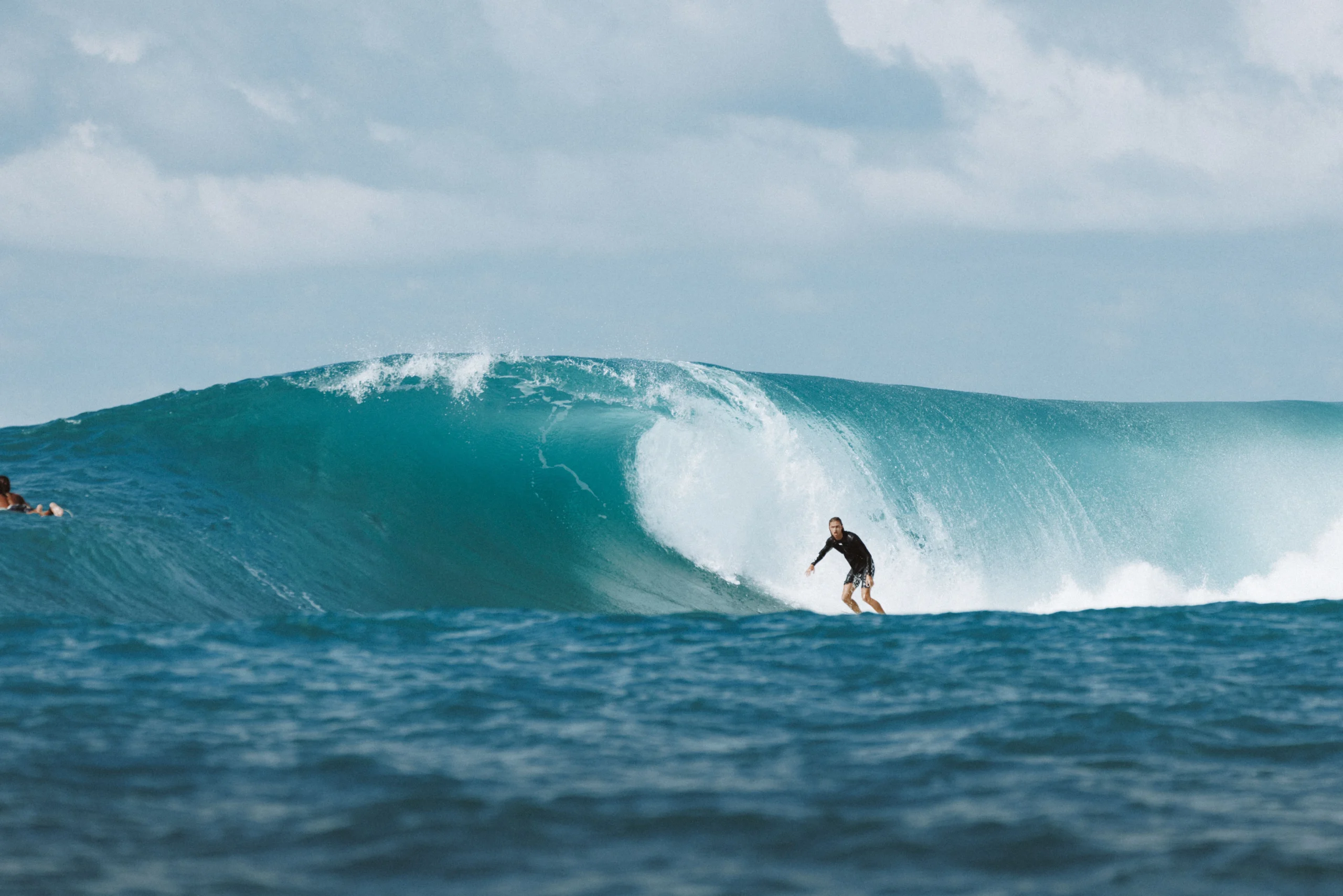
And here’s what they’ll all tell you: Uluwatu is one of the most important surf destinations on the planet. The main break was made famous in the 1970s, captured in the surf film Morning of the Earth, and it’s been on the bucket list of serious surfers ever since. The combination of a long, consistent left-hand reef break, dramatic limestone cliffs, and warm water makes it the kind of wave people plan entire trips around.
If you surf at the right level, Uluwatu is a pilgrimage. If you don’t, it’s still one of the best places in Bali to sit on a cliff and watch people do something extraordinary. This guide covers both.
The Uluwatu Surf Breaks Explained
Uluwatu isn’t a single wave, it’s a series of breaks along the same stretch of reef, each working best at different tides and swell sizes. Understanding which is which matters, because the difference between them is the difference between a good session and a dangerous one.
The Peak is the main, most accessible takeoff zone and the one most surfers paddle for. It works across a range of tides and offers long, workable left-hand walls.
Racetrack is the faster, more hollow section that breaks at lower tides over shallower reef. It’s where the experienced crowd goes for barrels, and it’s not forgiving if you misjudge it.
Outside Corner is the big-wave section that only comes alive on larger swells. When it’s working, it holds serious size and draws the most experienced surfers on the island.
Temples breaks further down the reef toward the temple and offers longer, slightly more relaxed rides on the right conditions — often less crowded than the Peak.
The whole setup is accessed through the famous cave at the base of the cliffs you walk down through the limestone passages, and the channel that takes you out to the lineup is right there. Coming back in, you ride the channel back to the cave, timing it with the sets. Locals make it look effortless. It is not effortless.
👉 Book a guided Uluwatu surf experience on Viator
Best Season for Uluwatu Surf
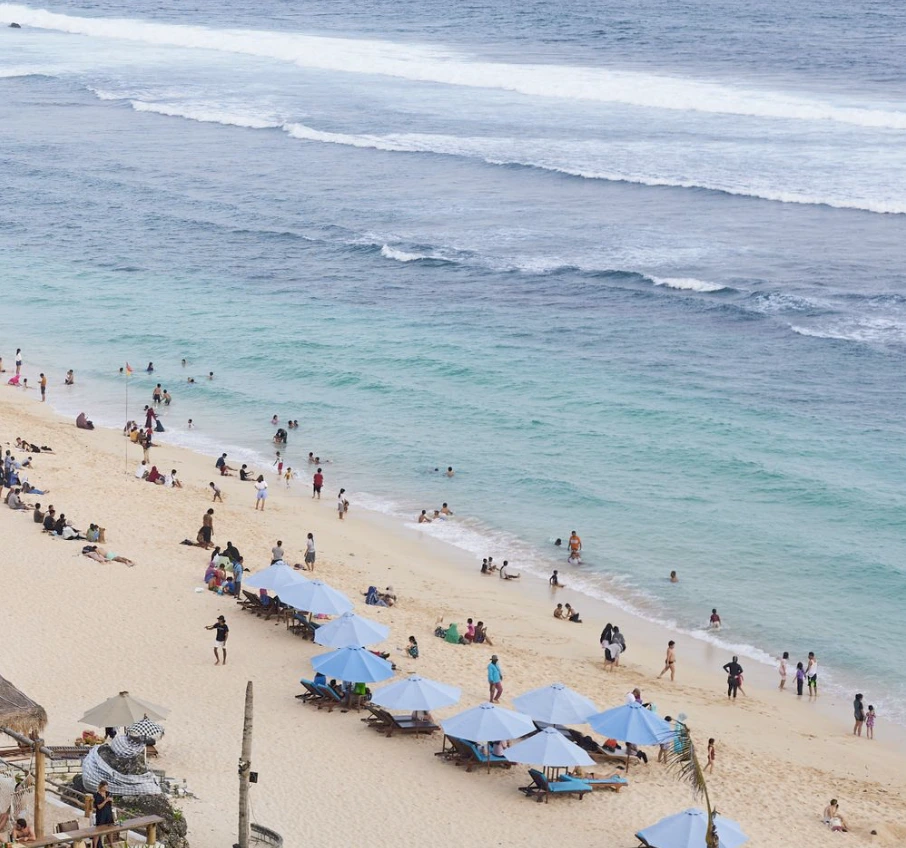
Uluwatu works best during the dry season, roughly April through October, when the southeast trade winds blow offshore and groom the waves into clean, ordered lines. This is when the swell is most consistent and the wave is at its best — it’s also when it’s most crowded, particularly from June to August.
The dry season is when Uluwatu earns its reputation. Morning sessions before the wind shifts are the prize, and the lineup fills up accordingly. If you’re planning a surf trip specifically around Uluwatu, these are the months to target.
During the wet season (November to March), the wind tends to come onshore at Uluwatu, which makes the wave messier and less reliable. This is when surfers often cross to the east coast of Bali — spots like Nusa Dua, Sanur, and Keramas — where the conditions flip and the east side works better. A lot of surfers structure their whole Bali trip around this seasonal logic.
Tides matter enormously here. The reef is shallow, and low tide over a shallow reef is how people get hurt. Most surfers check the tide charts religiously and time their sessions around mid-to-high tide, especially if they’re not intimately familiar with the break.
What Skill Level You Need
This is the part where honesty matters most, because the reef at Uluwatu has injured a lot of people who overestimated themselves.
Uluwatu is an intermediate-to-advanced wave, and most of it is firmly advanced. The reef is sharp and shallow, the currents are strong, the takeoffs can be steep, and the consequences of a bad wipeout are real — reef cuts, board damage, and worse. This is not a wave to learn on. It’s not a wave to “give a go” if you’ve had a handful of lessons.
If you’re a confident intermediate who’s comfortable on reef breaks, can read a lineup, and knows how to handle yourself in strong current, Uluwatu on a smaller, higher-tide day is within reach — ideally with a guide or an experienced local who knows the break. If you’re an advanced surfer, you already know what you’re getting into.
If you’re a beginner, the kind thing I can do is tell you clearly: don’t start here. Bali has excellent beginner waves with sand bottoms — the beach breaks at Kuta, Seminyak, and Canggu’s gentler spots — where you can learn safely. Build your skills there, and come to Uluwatu when you’re genuinely ready. Watching from the cliff in the meantime is no consolation prize; it’s one of the best shows in Bali.
👉 Book a beginner-friendly Bali surf lesson on Viator
Surf Schools and Lessons Near Uluwatu
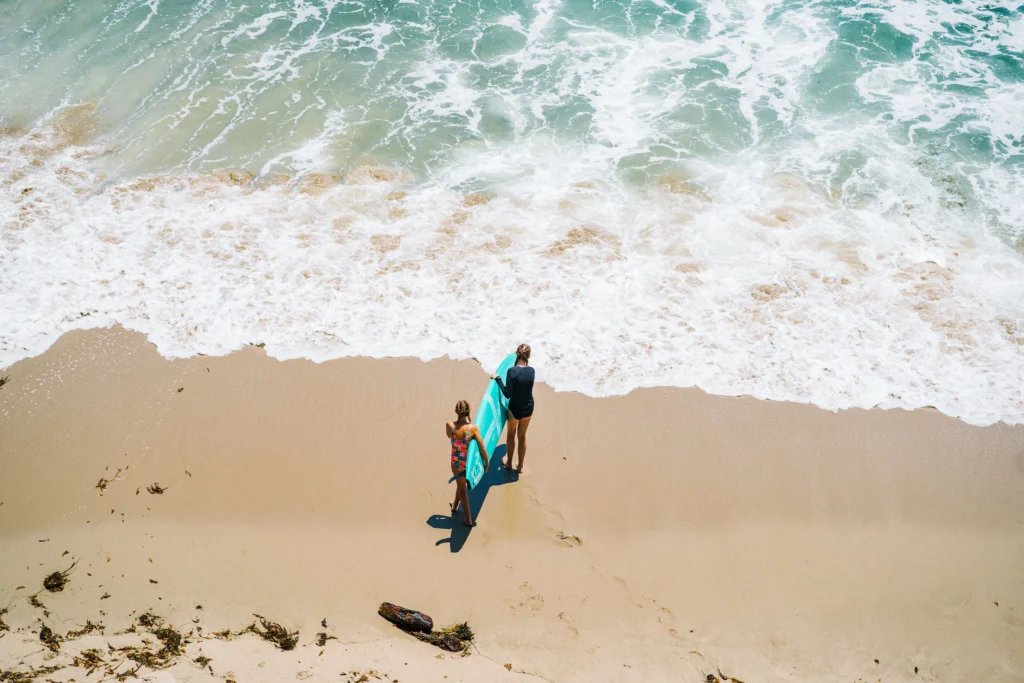
While Uluwatu itself isn’t a learning wave, the Bukit Peninsula has surf schools and guides who can take you to appropriate breaks based on your level, and who offer guided sessions at Uluwatu and nearby spots for surfers who are ready but unfamiliar with the reef.
A good local guide is worth every rupiah for a first session at Uluwatu. They know which section is working, what the tide is doing, where the current will take you, and how to time your entry and exit through the cave. That knowledge is the difference between a great first session and a frightening one.
For surfers at the intermediate level looking to progress, several Bukit-based schools offer coaching that bridges the gap between beach breaks and reef — taking you to spots like Balangan and Padang Padang on the right days, which are more forgiving stepping stones toward Uluwatu.
For complete beginners staying in the Uluwatu area, most schools will run lessons at gentler nearby beaches rather than at the main break. Lessons typically run $35–$60 for a couple of hours including board and rashguard.
👉 Book a surf lesson or guided session near Uluwatu on Viator
Getting to the Surf
The Uluwatu break is accessed through the cliffs near the temple, down a series of stairways and through the cave passages at Suluban Beach (also called Blue Point). It’s about 45 minutes by scooter or car from Seminyak, depending on traffic.
Most surfers staying on the Bukit ride a scooter with a board rack — a standard setup that rental places in the area can sort out for you. If you’re coming from further afield for a session, a car with a driver is the more practical option, especially if you’re carrying boards and gear.
Parking near the top of the Suluban access point is straightforward and cheap, run by local attendants who’ll watch your scooter for a small fee. From there it’s a walk down the stairs and through the caves to the water. Pay attention to the tide on the way in — at high tide the cave access can flood, and getting timing wrong on the way back is a known hazard.
👉 Book transport and surf tours from Seminyak on Viator
What to Bring
The shallow reef at Uluwatu means gear matters more than at a sand-bottom beach break. Most experienced surfers here wear reef booties to protect their feet on the rocks and during cave entry. A good leash is non-negotiable. Many surfers bring a slightly sturdier board than they’d use elsewhere, given the power of the wave.

Reef-safe sunscreen is worth bringing from home, it’s harder to find and more expensive in Bali, and the reef here is exactly the kind of ecosystem that the chemical stuff damages. A basic reef first-aid awareness doesn’t hurt either; reef cuts are common and need proper cleaning to avoid infection in the tropical climate.
Beyond the surf gear, bring cash for parking, board rental, warung food, and the sarong and entrance fee if you’re visiting the temple while you’re up there. The Bukit runs largely on cash.
Where to Stay for a Surf Trip
If you’re building a trip around Uluwatu surf, staying on the Bukit Peninsula rather than commuting from Seminyak makes a significant difference. Being able to check the waves at dawn and paddle out for the offshore morning session — before the wind shifts and the crowds thicken — is the whole point, and that’s only realistic if you’re staying close.
Bingin is the classic surf-trip base — guesthouses built into the cliffs, walking distance to several breaks, a relaxed surf-focused community, and prices that suit longer stays. Padang Padang and the area near Single Fin are also popular, putting you close to the main break and the social scene that surrounds it.
Accommodation on the Bukit ranges from simple surf guesthouses at $20–$40 a night to well-designed villas with pools at $100–$250. For a surf trip, the simple-but-well-located option usually wins — you’re spending your time in the water, not in the room.
👉 Check Bukit Peninsula and Uluwatu hotel prices on Hotels.com
For the full breakdown of the area’s neighborhoods and beaches, our things to do in Uluwatu guide covers everything beyond the surf, and the complete Bali travel guide has the wider planning picture.
Watching the Surf If You Don’t Ride
Here’s my actual area of expertise, and I’ll defend it: watching the surf at Uluwatu is one of the best things you can do in Bali whether or not you ever touch a board.
The cliffs above the break put you at the perfect height to watch the whole thing unfold — the paddle out through the channel, the takeoffs, the long walls, the surfers disappearing into sections and coming back out. Single Fin, the famous clifftop bar, sits directly above the wave and is the best seat in the house. I’ve spent entire late afternoons there with a drink, watching session after session as the light turns golden and the surfers keep coming.
The best watching is in the morning when the wave is cleanest and again in the late afternoon when the light is at its most cinematic. Sunday afternoons at Single Fin turn into a whole event — the surf, the crowd, the music, the sunset all happening at once. I’ve been twice and would go back without hesitation.
You don’t need to surf to feel why Uluwatu matters. You just need to sit on the cliff for an hour and watch.
👉 Book an Uluwatu sunset and surf-watching experience on Viator
My Tips for an Uluwatu Surf Trip
A few things I’ve picked up from years of visiting and from the surfers who’ve set me straight over the years.
Respect the skill honestly. The single most repeated piece of advice I’ve heard from local surfers is that people overestimate themselves at Uluwatu and the reef pays them back for it. If you’re not sure you’re ready, you’re not ready surf Balangan or a beach break and work up to it.
Surf the morning. The offshore wind and cleaner conditions before mid-morning are when the wave is at its best, and the crowd, while still present, is more manageable than midday. Dawn patrol exists for a reason.
Hire a guide for your first session. Even confident surfers benefit from someone who knows exactly what the tide and current are doing at this specific reef on this specific day. It’s cheap insurance against a bad first experience.
Mind the tide and the cave. Getting the timing wrong on cave entry or exit at the wrong tide is one of the most common ways people get into trouble here. Watch what the locals do and follow their lead.
Stay on the Bukit. If surf is the point of your trip, don’t commute from Seminyak. Wake up close to the water, check it at dawn, and you’ll get the sessions that make the trip worth it.
And if you don’t surf at all. go to Single Fin at sunset anyway. Order a drink, find a spot on the cliff, and watch. It’s free entertainment of the highest order, and it might be the thing you remember most.
👉 Book Uluwatu surf lessons, guides, and tours on Viator