Yoga and Meditation Retreat Bali: How to Choose the One That Actually Changes Something
This post contains affiliate links. If you book through them, we earn a small commission at no extra cost to you.
There’s a reason “I’m going to Bali to find myself” became a cliché, the island has been a wellness pilgrimage long before it was an Instagram backdrop. But the gap between a life-changing retreat and an overpriced disappointment is wide, and it comes down to choosing well. Here’s how to find the one that’s right for you.
Why Bali for a Yoga Retreat?
Bali has been a global hub for yoga and wellness for decades, and the depth of what’s on offer here is the reason a yoga and meditation retreat Bali trip is on so many bucket lists. This isn’t a place that bolted yoga onto its tourism as a trend — the island’s spiritual culture, its Hindu traditions, and its long history of attracting seekers created a genuine wellness ecosystem that runs deep.
What you get as a result is range. Bali has everything from gentle beginner retreats to intensive yoga teacher trainings, from luxury wellness resorts with spa programs to simple jungle ashrams focused on meditation and silence. There are retreats built around vinyasa flow, others around restorative and yin practice, some centered on meditation and breathwork, and many that weave in Balinese healing traditions, sound baths, and plant-based cuisine.
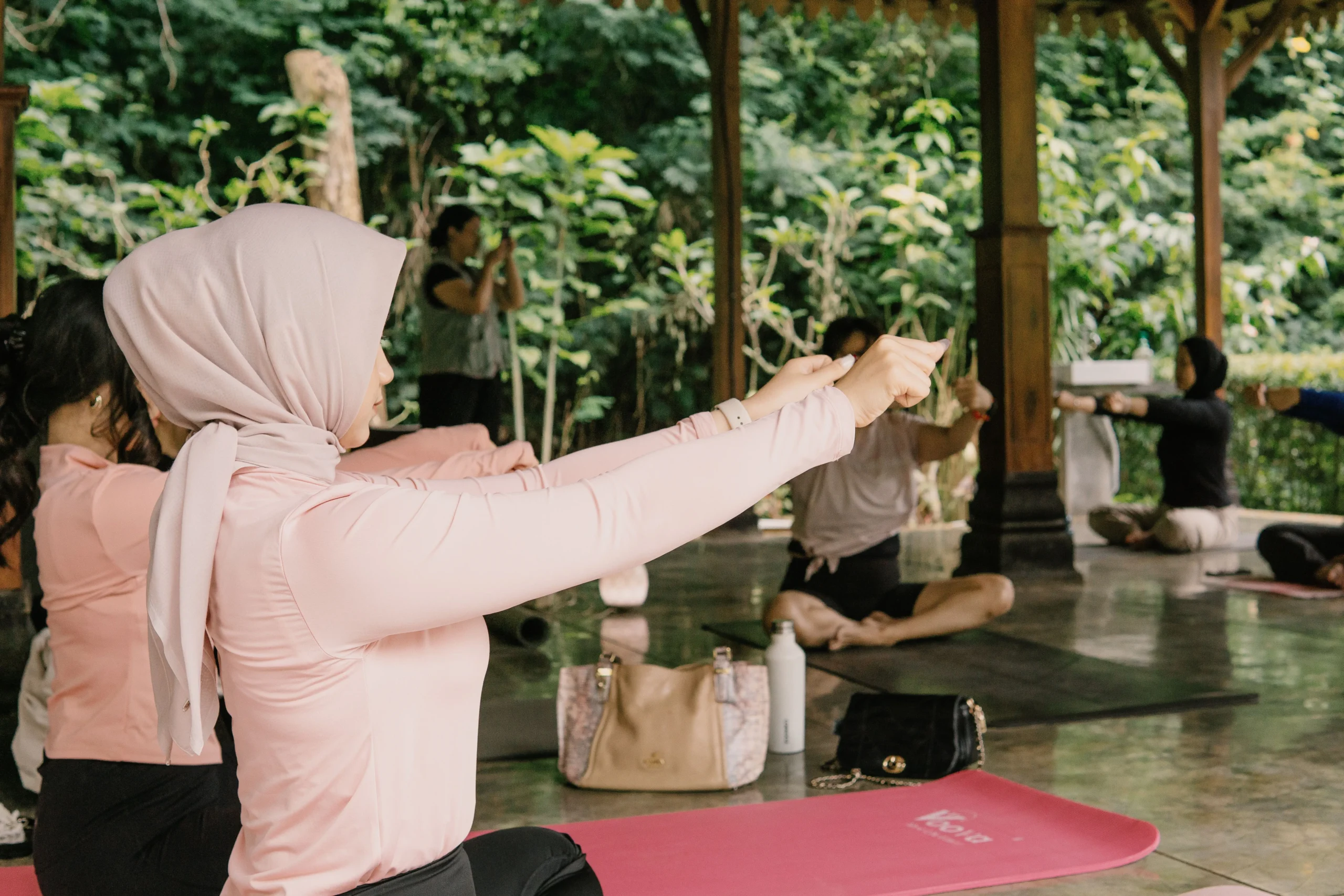
The setting does a lot of the work too. Practicing yoga on an open deck surrounded by rice fields or jungle, with the sound of birds and water rather than traffic, changes the experience in a way that’s hard to replicate in a studio at home. This guide covers how to navigate all that choice and find the retreat that genuinely fits what you’re looking for.

Best Areas for Retreats in Bali
Where you base your retreat shapes the whole experience, and a few areas dominate Bali’s wellness scene.
Ubud is the undisputed heart of Bali’s yoga and meditation world. Surrounded by rice fields and jungle, with a deep concentration of studios, retreat centers, healthy cafes, and spiritual practitioners, it’s where most serious retreats are based. If you picture a Bali yoga retreat, you’re almost certainly picturing Ubud. The famous Yoga Barn and countless other centers are here, and the whole town hums with wellness energy. For meditation and a more inward, cultural experience, Ubud is the clear choice. Our where to stay in Ubud guide covers the area in detail.
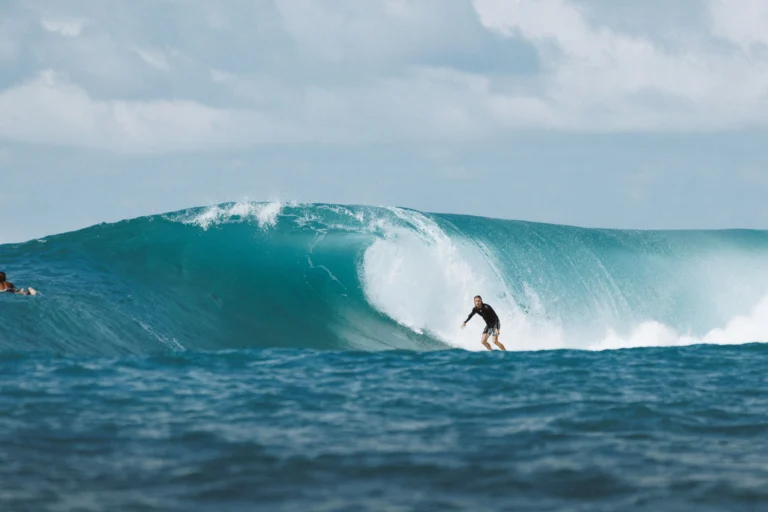
Canggu offers a more modern, social, beach-adjacent take on yoga. The retreats here tend to blend yoga with surfing, an active lifestyle, and a younger digital-nomad crowd. If you want movement, community, and the beach alongside your practice rather than jungle silence, Canggu fits.
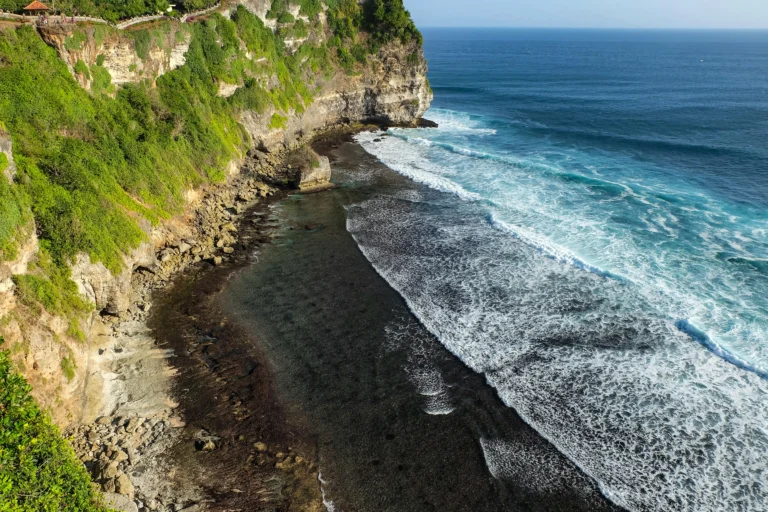
Uluwatu and the Bukit Peninsula host clifftop retreats that combine yoga with dramatic ocean settings, often with a surf element. Quieter and more secluded than Canggu, with spectacular scenery. The things to do in Uluwatu guide covers the area.
The quieter corners — parts of north and east Bali, and smaller villages — host more secluded, off-grid retreats for those wanting genuine remoteness and minimal distraction.
Types of Yoga and Meditation Retreats
Bali’s retreats come in distinct styles, and knowing the difference saves you from booking the wrong kind of experience.
Beginner and relaxation retreats are gentle, welcoming, and built for people new to yoga or simply wanting to unwind. Expect accessible classes, plenty of free time, spa treatments, and a focus on rest rather than intensity. Ideal for a first retreat or a wellness-flavored holiday.
Intensive and immersion retreats pack in multiple practice sessions a day, often with workshops, and suit experienced practitioners wanting to deepen their practice. These can be physically and mentally demanding in the best way.
Yoga teacher training (YTT) courses, typically 200-hour certifications run over three to four weeks, are a major part of Bali’s scene. These are serious commitments that combine intensive practice, philosophy, anatomy, and teaching methodology, ending with a recognized qualification.
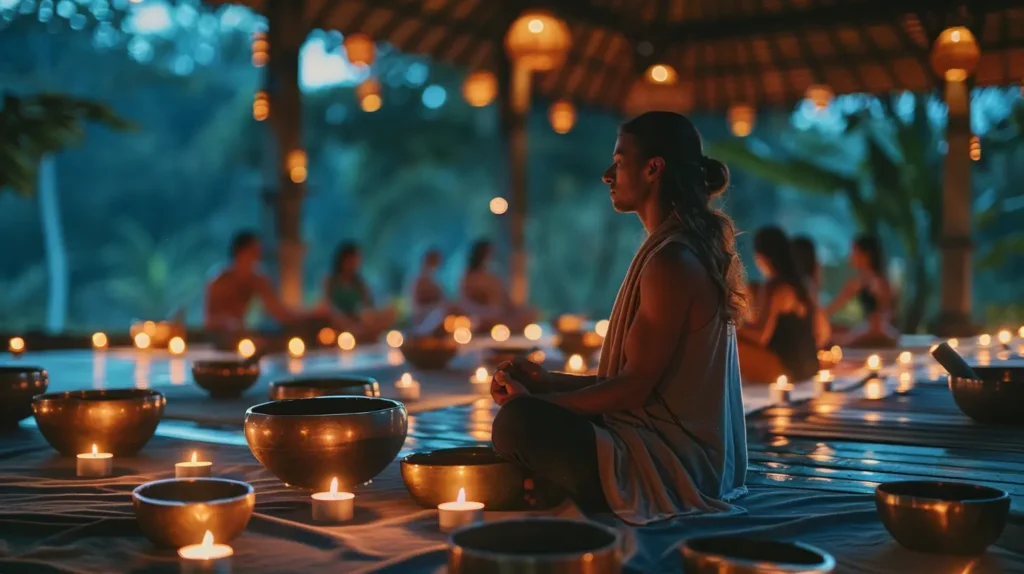
Meditation and silent retreats focus inward — meditation, breathwork, sometimes periods of silence — with less emphasis on physical yoga. These can be profound and are worth knowing what you’re signing up for, as some involve genuine silence for days.
Detox and holistic wellness retreats combine yoga with cleansing programs, plant-based cuisine, spa therapies, and Balinese healing. The wellness-resort end of this can be genuinely luxurious.
What to Expect on a Retreat
A typical Bali retreat day follows a rhythm: an early morning meditation or yoga session as the day cools and the light is soft, a healthy breakfast, free time or a workshop, an afternoon or evening practice, and shared meals throughout. Many retreats include extras like sound healing, Balinese blessing ceremonies, spa treatments, excursions to temples or waterfalls, and time simply to rest.
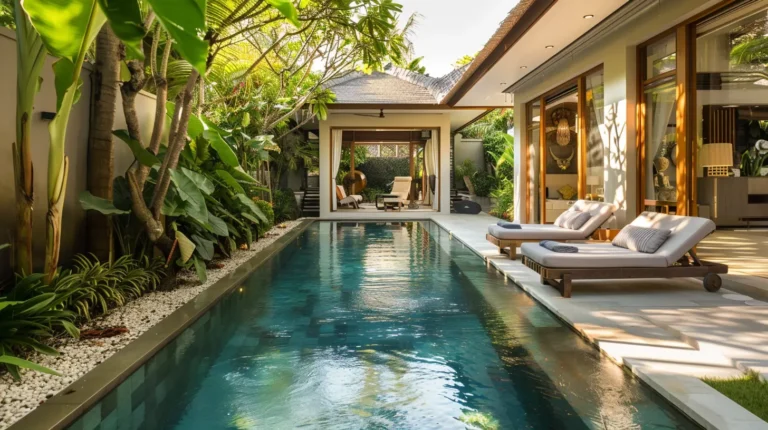
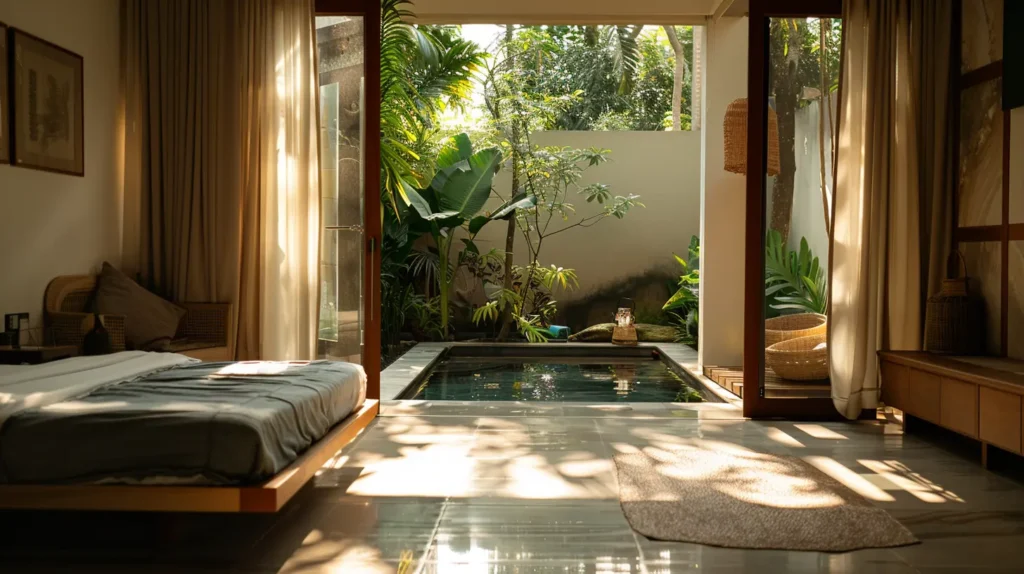
The food is usually a highlight — most retreats serve fresh, healthy, often plant-based cuisine, and the quality in Bali tends to be excellent. Accommodation ranges from shared rooms in simple retreat centers to private villas at the luxury end.
A few honest expectations: early starts are standard (sunrise sessions are part of the appeal but mean early nights), the heat and humidity affect practice so hydration matters, and the intensity varies enormously by retreat type, so match it to your level. Most importantly, a good retreat involves genuine downtime — if every hour is scheduled, that’s a workshop, not a retreat.

How Much Does a Retreat Cost?
Bali retreat prices span an enormous range depending on length, luxury level, and what’s included.
Budget retreats and shorter packages start around $200–$500 for a few days, typically with shared or simple accommodation, daily classes, and meals included. Mid-range retreats — better private accommodation, more inclusions, a fuller program — run roughly $700–$1,500 for a week. Luxury wellness retreats at high-end resorts, with private villas, spa programs, gourmet cuisine, and comprehensive wellness offerings, can run $2,000 to $5,000+ for a week.
Yoga teacher training courses (200-hour) typically cost $2,000–$3,500 for the three-to-four week program, often including accommodation and meals, which makes them reasonable value for what they deliver.
What’s included varies a lot, so always check: accommodation, all meals, daily classes, workshops, excursions, airport transfers, and spa treatments may or may not be bundled. A cheaper retreat with little included can end up costing more than a pricier all-inclusive one.
How to Choose the Right Retreat
With hundreds of options, choosing well comes down to a few honest questions.
Be clear on your level and goals. A complete beginner will struggle and not enjoy an intensive immersion; an experienced practitioner will be frustrated by a gentle relaxation retreat. Match the retreat’s intensity to where you genuinely are, not where you aspire to be.
Check the style of yoga and the teachers. Vinyasa, hatha, yin, ashtanga — they’re very different practices. Look into the lead teachers’ experience and read recent reviews specifically about the teaching quality, not just the setting and food.
Read recent reviews carefully. The wellness space attracts both genuinely excellent retreats and slickly marketed underwhelming ones. Recent, detailed reviews mentioning the actual practice, teachers, and whether it delivered are far more telling than glossy photos.
Confirm exactly what’s included and the group size. Small groups mean more personal attention; large ones can feel impersonal. Know whether meals, accommodation, and extras are bundled before comparing prices.
Be realistic about silent and intensive retreats. If a retreat involves days of silence or a punishing schedule, make sure that’s genuinely what you want. These can be transformative but aren’t for everyone, and there’s no shame in choosing something gentler.
Retreat vs Drop-In Classes
You don’t have to commit to a full structured retreat to experience Bali’s yoga scene. For travelers who want flexibility, drop-in classes at studios — especially in Ubud and Canggu — let you practice daily without a fixed program. The Yoga Barn in Ubud and numerous studios across the island offer single classes, class passes, and workshops you can attend around the rest of your trip.
This à la carte approach suits travelers who want yoga as part of a broader Bali holiday rather than the whole focus, or who want to sample different studios and styles before committing. A full retreat, by contrast, suits those who want immersion, structure, and a dedicated reset away from the distractions of a normal trip. Many people do a hybrid — a few structured retreat days plus drop-in classes around exploring the island.
Where to Stay and Practice
Many retreats include accommodation as part of the package, but if you’re doing drop-in classes or want to choose your own base, where you stay matters.
In Ubud, staying close to the studios and surrounded by rice fields or jungle puts you in the right headspace — Penestanan and the quieter areas near central Ubud are popular with the wellness crowd for their calm and proximity to studios. In Canggu, staying near the beach and the yoga-and-surf studios suits the more active, social style. Our where to stay in Ubud and where to stay in Canggu guides break down the best areas for each.
For those not on an all-inclusive retreat, plenty of Bali hotels and villas cater to the wellness traveler with their own yoga decks, healthy menus, and spa facilities — a good middle ground between a full retreat and a standard hotel.
👉 Book yoga, meditation, and wellness experiences in Bali on Viator
My Personal Retreat Tips
A few honest things from time spent in Bali’s wellness world.
Match the retreat to your actual level, not your aspirational one. The single biggest reason people have a disappointing retreat is booking something too intense or too gentle for where they really are. Be honest with yourself and you’ll have a far better time.
Read recent reviews about the teaching, not the scenery. Every retreat photographs beautifully. What separates a great one from a forgettable one is the quality of the teachers and the program, and that lives in the detailed recent reviews.
Don’t over-schedule your whole trip around it. A retreat is intense in its own way — build in some unstructured Bali time before or after to explore, rest, and integrate. Pairing a few retreat days with the rice terraces, temples, or a beach stay makes for a more balanced trip.
Check what’s included before comparing prices. A $400 retreat with almost nothing bundled can cost more than an $800 all-inclusive one once you add meals, transfers, and extras. Compare like for like.
Consider starting with drop-in classes. If you’re unsure about committing to a full retreat, a few days of drop-in classes at Ubud or Canggu studios lets you test the waters and find a style and teacher you connect with first.
👉 Browse Bali yoga, meditation, and wellness experiences on Viator