When Is the Best Time to Travel to Bali? A Season-by-Season Honest Guide
This post contains affiliate links. If you book through them, we earn a small commission at no extra cost to you.
Bali doesn’t really have a “bad” time to visit, but it absolutely has a wrong time for you, depending on what you’re after. Cheaper prices and empty beaches, or guaranteed sunshine and buzzing energy? The answer changes everything about your trip. Here’s how to pick your perfect window.
The Short Answer
If you want the quick version before the detail: when is the best time to travel to Bali?
for most people is during the dry season, roughly April through October, with the shoulder months of May, June, and September offering the best overall balance of good weather, manageable crowds, and reasonable prices.
But the honest, fuller answer is that it depends on what you want from your trip. Bali is a year-round destination, and each season has genuine trade-offs. The dry season gives you reliable sunshine but bigger crowds and higher prices in its peak. The wet season brings rain and humidity but also lush green landscapes, fewer tourists, and better deals. There’s no single right answer — there’s the right answer for your priorities.
This guide breaks down each season honestly, tells you what to expect month by month, and helps you match the timing to the kind of trip you actually want.

Bali’s Two Seasons Explained
Bali sits just south of the equator, so it doesn’t have the four seasons many travelers are used to. Instead, the year divides into two: the dry season and the wet season. Temperatures stay warm and fairly constant year-round — generally in the high 20s to low 30s Celsius (low-to-mid 80s Fahrenheit) — so the real variable isn’t temperature but rainfall and humidity.
The dry season runs roughly April through October and brings lower humidity, less rain, and the sunny weather most people picture when they imagine Bali. The wet season runs roughly November through March, bringing higher humidity, warmer nights, and regular rainfall — though “wet season” in Bali usually means dramatic afternoon downpours rather than all-day rain.
Understanding this split is the foundation of timing your trip, because nearly everything else — crowds, prices, what activities work best, how the landscape looks — flows from which season you choose and where within it you land.
The Dry Season (April–October)
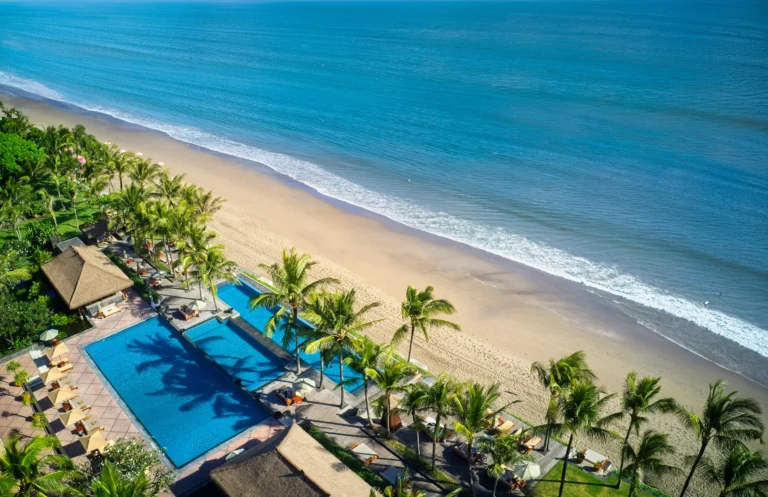
The dry season is the most popular time to visit Bali, and for good reason. You get the lowest rainfall, lower humidity, plenty of sunshine, and the calmest seas — ideal conditions for beaches, island-hopping, diving, surfing the famous southern breaks, and generally everything Bali is known for.
This is when the island is at its picture-perfect best. The beach days are reliable, the boat trips to Nusa Penida and the Gili Islands run smoothly on calm water, and the surf on the Bukit Peninsula is at its prime. If your trip centers on beaches, water activities, or anything that depends on good weather, the dry season is the safe choice.
The trade-offs are crowds and prices. The dry season — especially July and August — is peak tourist time, which means busier beaches, fuller restaurants, more traffic, and higher accommodation prices. The most popular spots like the Tegallalang rice terraces and Uluwatu temple are at their most crowded. None of this ruins a trip, but it’s worth knowing and planning around — booking ahead and starting your days early both help enormously.
The Wet Season (November–March)
The wet season gets an unfairly bad reputation. Yes, it rains — but in Bali the wet season typically means heavy tropical downpours that last an hour or two, often in the afternoon, rather than days of constant grey drizzle. Mornings are frequently sunny, and you can plan around the rain more easily than people expect.
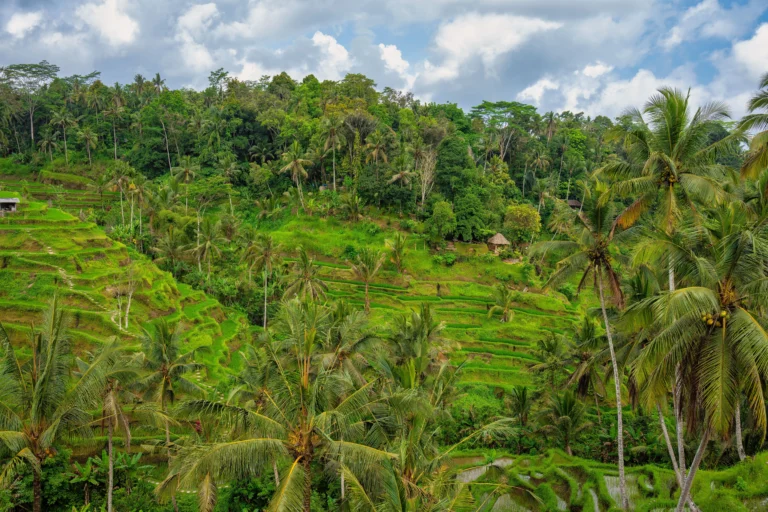
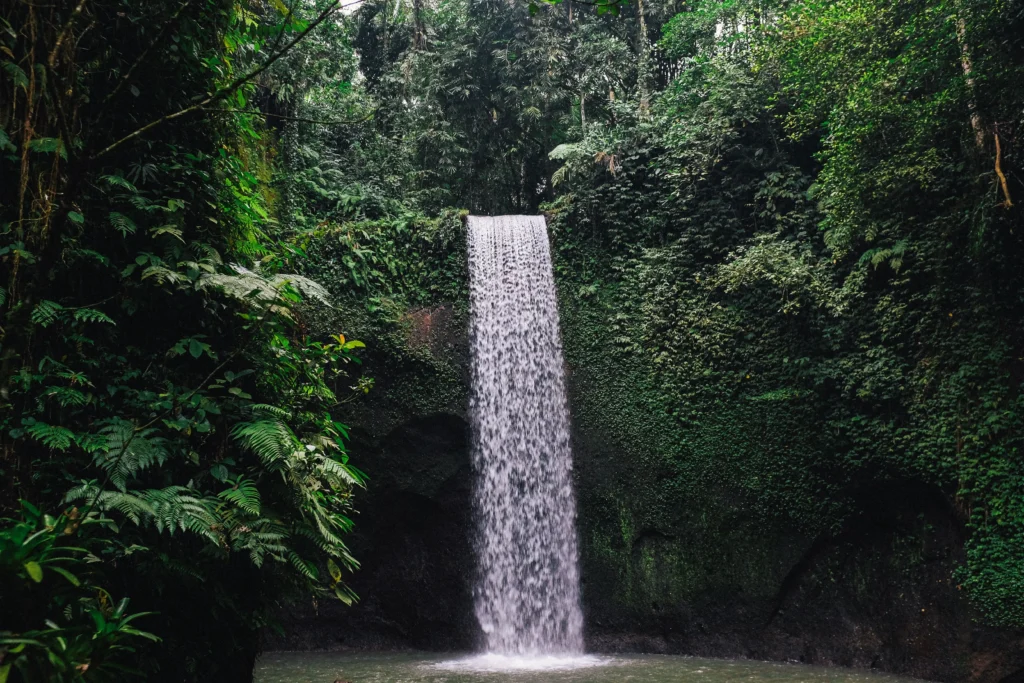
There are genuine upsides to visiting in the wet season. The landscape is at its most lush and green — the rice terraces and jungle are spectacular, and the waterfalls are at full power. Crowds are thinner, so the popular sights are quieter and more peaceful. And prices drop noticeably, with accommodation and flights more affordable than in peak dry season. For budget travelers, photographers chasing green landscapes, and anyone who prefers fewer crowds, the wet season has real appeal.
The downsides are real too, though. Humidity is high, the afternoon rain can disrupt outdoor plans, seas can be rougher (affecting boat trips and some diving), and January and February are the wettest months when rain is most persistent. Mosquitoes are also more active, so repellent matters more. If you’re flexible and don’t mind some rain in exchange for green landscapes, low prices, and space, the wet season can be a wonderful and underrated time to visit.
The Shoulder Months: The Sweet Spot
If I had to point most travelers toward a single window, it would be the shoulder months — May, June, and September. These sit at the edges of the dry season and tend to offer the best overall balance of everything that matters.
In these months you get most of the reliable dry-season weather — plenty of sunshine, calm seas, low rainfall — but without the full peak-season crush of July and August. Crowds are noticeably thinner, prices are more reasonable, and the popular sights are more enjoyable to visit. The landscape is still green from the recent wet season, especially in May and June, but the weather is dependable.
September in particular is a favorite of many regular Bali visitors — the weather is excellent, the school-holiday crowds have gone, and prices have come back down from the August peak. May and June offer similar advantages on the front end of the dry season. For the best combination of good weather, manageable crowds, and value, these shoulder months are hard to beat.

Best Time for Specific Trips
The best time to visit Bali also depends on what you’re coming to do.
For beaches and water activities — swimming, snorkeling, diving, island-hopping to Nusa Penida or the Gilis — the dry season (April–October) is ideal, with calm seas and clear water. For surfing, the dry season suits the famous southern breaks like Uluwatu, where offshore winds groom the waves; the wet season flips conditions to favor the east coast.
For a yoga or wellness retreat, any time works since most of it is indoors or under cover, though the calmer energy of the shoulder and wet seasons can suit an inward-focused trip nicely — our yoga and meditation retreat Bali guide covers that scene. For photography and lush green landscapes — rice terraces, waterfalls, jungle — the wet season and early dry season (when everything is still green) are spectacular, as covered in our rice terrace Ubud guide.
For budget travelers, the wet season offers the best deals on flights and accommodation. For honeymooners and anyone wanting guaranteed sunshine for a special trip, the core dry season is the safer bet despite the higher prices.
Peak Crowds and Prices to Know About
A few specific periods are worth flagging because they bring the biggest crowds and highest prices, regardless of season.
July and August are the peak of peak — European and Australian summer holidays, school breaks, and the best weather all converge. Expect the highest accommodation prices, busiest sights, and most traffic. The Christmas and New Year period (mid-December through early January) is the other major peak, with prices spiking and popular spots packed despite it falling in the wet season.
Indonesian public holidays and the Australian school holiday periods also bring surges in domestic and regional visitors. And one unique date to know about: Nyepi, the Balinese Day of Silence (usually in March), when the entire island shuts down for 24 hours — no flights, no going outside, no lights. It’s a fascinating cultural experience if you’re prepared for it, but it means a full day confined to your accommodation, so plan around it.
If you can avoid the July–August and Christmas peaks, you’ll have a cheaper, calmer, and in many ways more enjoyable trip.
Month-by-Month Quick Guide
A fast reference for planning:
January and February are the wettest months — lush and cheap, but expect the most rain. March is still wet but easing, and includes Nyepi. April marks the start of the dry season — a great, less crowded month with good weather. May is excellent — dry, green, and not yet crowded. June is one of the best months — reliable weather, manageable crowds.
July and August are peak season — superb weather but the busiest and most expensive. September is a top pick — great weather, crowds thinning, prices easing. October is the end of the dry season — still good, with the wet season approaching. November sees the wet season begin — greener, quieter, cheaper. December is wet, but the Christmas–New Year period is a busy, pricey exception.
If you want my shortlist: May, June, and September for the best balance; April and October as strong second choices; the wet season for budget and green landscapes if you don’t mind rain.

My Personal Advice on Timing Bali
I’ve been to Bali in nearly every season now, and if you asked me when to go, I’d tell you to aim for June or September without much hesitation. Those two months have given me my best trips — sunshine I could rely on, beaches and rice terraces that weren’t overrun, and prices that hadn’t yet hit the July–August ceiling. September especially has a kind of golden quality once the peak crowds clear out, and it’s the month I keep going back to.
That said, one of my most memorable trips was actually in the wet season, in November. It rained most afternoons, sure — but the mornings were bright, the rice terraces were the greenest I’ve ever seen them, the waterfalls were thundering, and I practically had some of the famous spots to myself. I paid less for a better villa than I would have in August, and I learned that an afternoon downpour is a perfectly good excuse for a long lunch or a spa session. If you’re flexible and on a budget, don’t write off the wet season the way most guides tell you to.
My real advice is this: don’t obsess over finding the “perfect” time. Decide what matters most to you — guaranteed sun, low prices, or empty beaches — and pick the season that serves that. Then book your accommodation early if you’re going in peak months, start your sightseeing days early whenever you go, and build in flexibility for the weather. Do that, and honestly, Bali delivers in any season. For everything else you’ll need to prepare, our tips for first time in Bali and Bali entry requirements guides have you covered.
👉 Find the best Bali accommodation deals for your dates on Hotels.com
👉 Browse Bali tours and experiences for any season on Viator