Komodo Island: Where Dragons Are Real and the Beaches Turn Pink
This post contains affiliate links. If you book through them, we earn a small commission at no extra cost to you.
A short flight east of Bali, prehistoric lizards the size of a person still roam wild, the beaches glow pink, and the diving rivals anywhere on Earth. Komodo is the add-on that quietly outshines the main trip — here’s how to do it right.
What and Where Is Komodo Island?
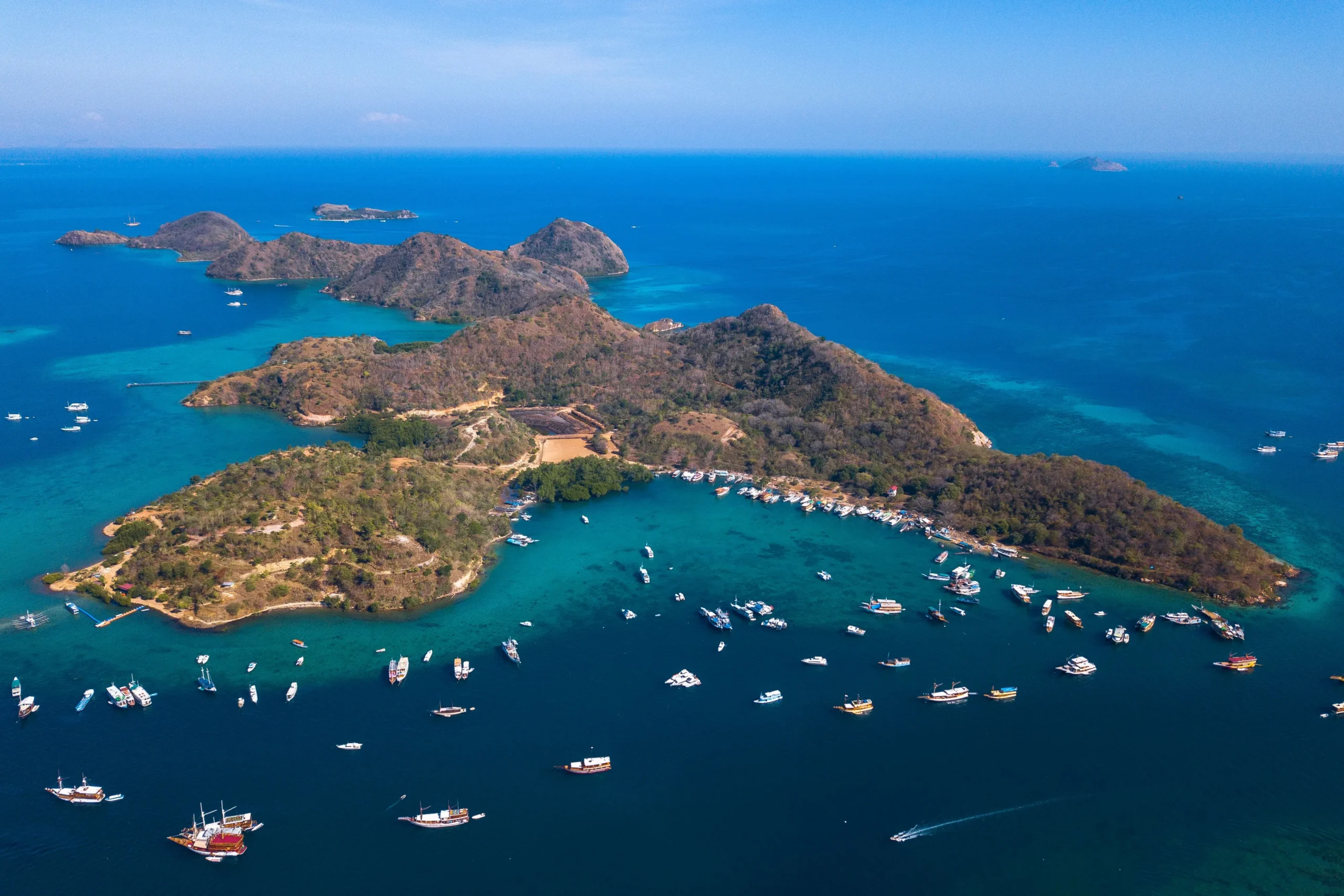
Let’s clear up the most common confusion first: Komodo Island isn’t in Bali. It’s part of the Komodo National Park, a cluster of islands east of Bali in the Lesser Sunda chain, reached via the town of Labuan Bajo on the island of Flores. But it’s one of the most popular add-ons to a Bali trip, a short flight away, and genuinely one of the most extraordinary places in Indonesia — so it earns its spot on any serious Bali-region itinerary.
Komodo National Park is a UNESCO World Heritage Site spanning three main islands — Komodo, Rinca, and Padar — along with dozens of smaller ones. It’s most famous as the only place on Earth where you can see Komodo dragons in the wild, the largest living lizards on the planet. But the dragons are only part of the appeal. The park also holds some of the best diving in Indonesia, a beach with genuinely pink sand, and a viewpoint on Padar Island that has become one of the most photographed landscapes in the country.
This is a trip about raw, prehistoric nature — dragons, dramatic islands, and water teeming with marine life. It’s unlike anywhere else in the Bali region, and worth the effort to reach.

Seeing the Komodo Dragons
The Komodo dragons are the reason most people come. These enormous monitor lizards grow up to three meters long, can weigh over 70 kilograms, and are genuinely formidable — they’re apex predators with a venomous bite, and they’re not the sleepy creatures some visitors expect. Seeing one in the wild, moving across the dry savannah of Komodo or Rinca, is a genuinely primal experience.
You can see the dragons on both Komodo Island and Rinca Island, always accompanied by trained park rangers who carry forked sticks and know the animals’ behavior. Rinca is often the better choice — it’s closer to Labuan Bajo, tends to have higher dragon density, and offers a slightly more rugged, less crowded experience. Both islands have walking trails of varying lengths where rangers guide you through dragon territory and point out nesting sites, water buffalo, deer, and the birds the park is also home to.
The rangers take safety seriously and so should you. These are wild, dangerous animals, and the rules — stay with your group, keep your distance, follow the ranger’s instructions — exist for good reason. Respect them and the experience is unforgettable for the right reasons.
👉 Book a Komodo dragon and national park tour on Viator
Padar Island and the Famous Viewpoint
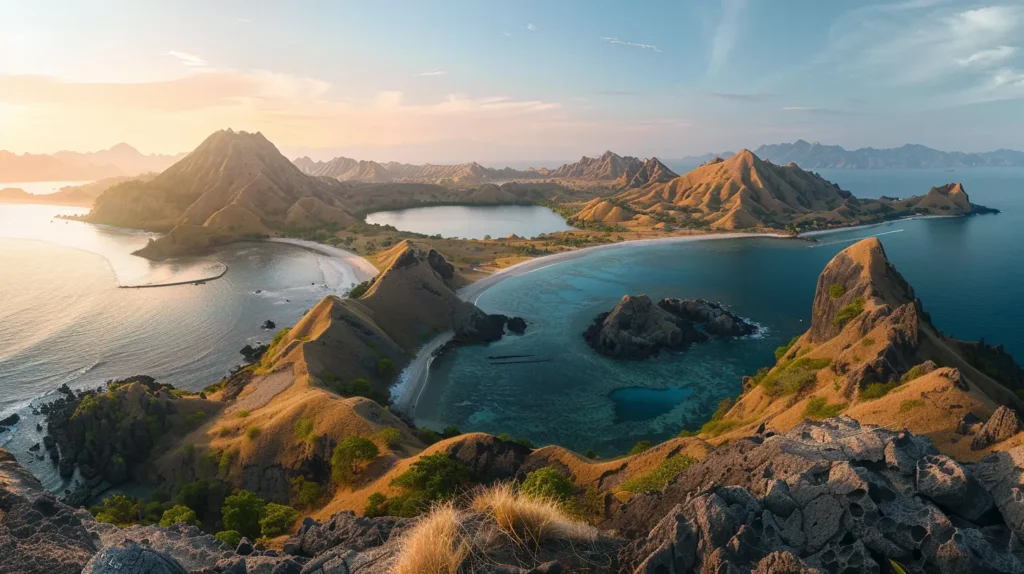
If you’ve seen a photo of Komodo National Park, there’s a good chance it was taken from the top of Padar Island. The viewpoint here — reached by a steep but manageable hike up a ridge — looks out over three curved bays, each with a beach of a different color, separated by dramatic volcanic ridges. It’s one of the most spectacular panoramas in Indonesia and the image that launched a thousand Komodo trips.
The hike to the top takes around 30 to 45 minutes and is steepest in the middle section. Most boat trips schedule the Padar climb for sunrise or early morning, both to catch the best light and to beat the heat — by mid-morning the exposed ridge gets brutally hot. Going early also means thinner crowds at the top, which matters at a spot this popular.
It’s worth every step. The view genuinely lives up to the photos, which is not something I say often.
Pink Beach
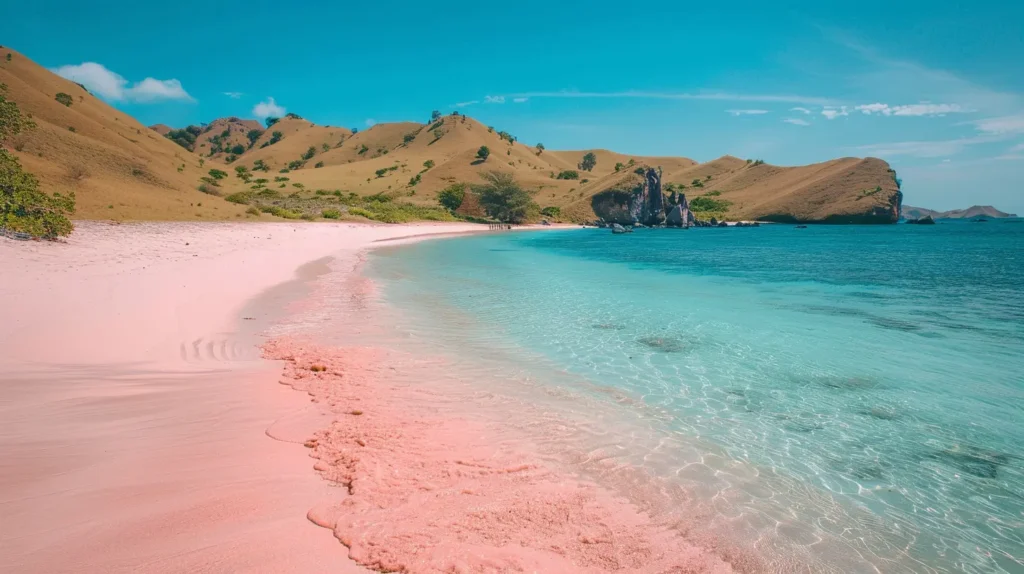
Pink Beach (Pantai Merah) is one of only a handful of pink sand beaches in the world. The color comes from tiny fragments of red coral mixing with the white sand, producing a soft rosy pink that’s most vivid where the water meets the shore. It’s subtle in some light and strikingly pink in others, particularly in the morning sun.
Beyond the novelty of the sand, the snorkeling here is excellent — the reef just offshore is healthy and full of fish, and the warm, clear water makes it easy to spend an hour drifting over the coral. Most boat tours include a stop here for swimming and snorkeling, and it’s a natural pairing with a morning at Padar or a dragon walk.
Diving and Snorkeling Komodo
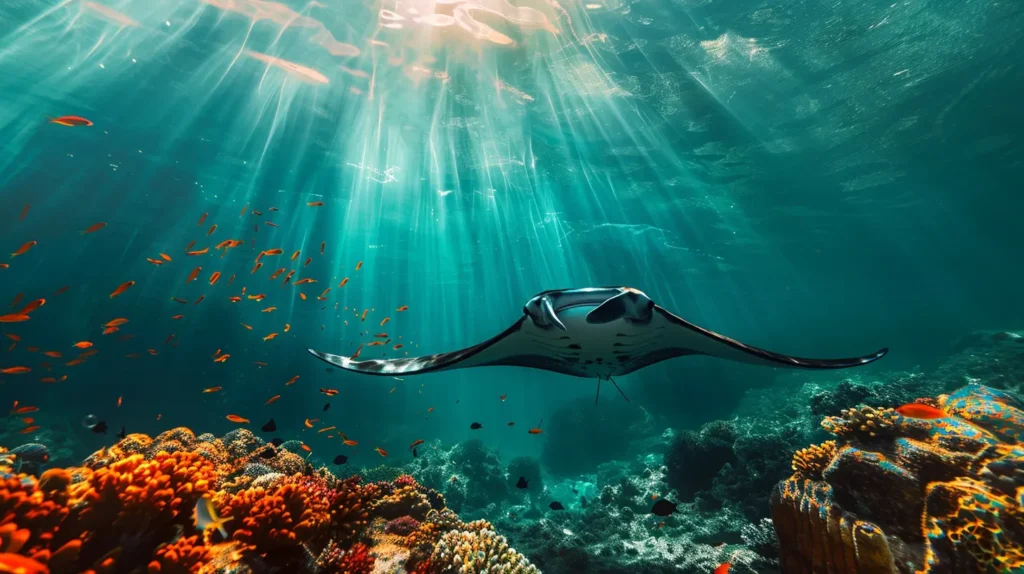
Komodo is one of the premier diving destinations in Indonesia, and for many divers it’s the highlight of the entire trip. The waters of the national park are part of the Coral Triangle, the most biodiverse marine environment on Earth, and the diving here delivers accordingly — manta rays, reef sharks, turtles, vast schools of fish, and coral in better condition than much of the rest of Indonesia.
Manta Point is the signature dive and snorkel site, where manta rays gather to feed and be cleaned, and where you can find yourself swimming alongside these enormous, graceful animals. The currents in Komodo can be strong, which is part of why the marine life is so abundant — but it also means some sites are better suited to experienced divers. Snorkelers have plenty of gentler options, and many of the best experiences, including the mantas, are accessible without scuba gear.
If marine life is a priority for you, building extra time into your Komodo trip for diving or snorkeling is well worth it.
👉 Book Komodo diving and snorkeling trips on Viator
How to Visit: Day Trip vs Liveaboard
There are two main ways to experience Komodo, and the right one depends on your time and budget.
Day trips and short boat tours from Labuan Bajo are the accessible option. You can do a single-day speedboat tour hitting the highlights — a dragon walk, Padar, Pink Beach, a snorkel stop — though it’s a long, packed day. Two- and three-day boat tours strike a better balance, letting you reach more sites at a more humane pace and catch sunrise at Padar without a brutal pre-dawn start.
Liveaboard trips are the immersive option, where you sleep on the boat for several nights and wake up at different islands each day. This is how serious divers and anyone wanting to fully experience the park tend to do it. Liveaboards range from budget backpacker boats to genuine luxury vessels, and the multi-day format lets you reach more remote sites and experience the park without the daily return to town.
For most visitors adding Komodo to a Bali trip, a two- or three-day boat tour hits the sweet spot of seeing the highlights without rushing.
👉 Compare Komodo multi-day boat tours and liveaboards on Viator
Getting There from Bali
Komodo is reached via Labuan Bajo, the gateway town on the western tip of Flores. The easiest way there is a short flight from Bali’s Denpasar airport to Labuan Bajo, which takes around an hour to ninety minutes and runs multiple times daily on several airlines. From Labuan Bajo, all the boat tours and dive trips into the national park depart from the harbor.
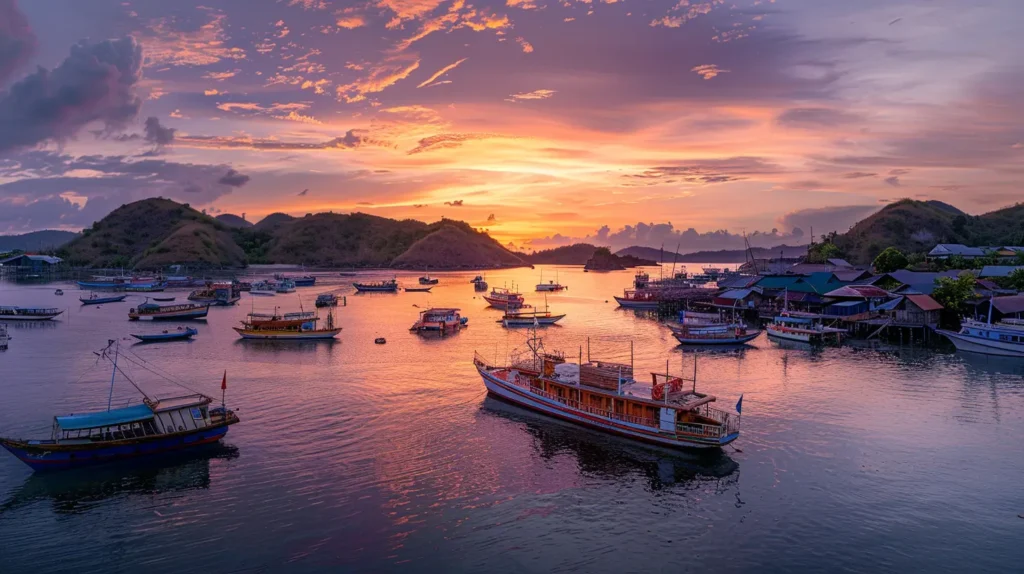
Labuan Bajo has transformed over the last decade from a sleepy fishing town into a proper tourism hub, with a good range of accommodation, restaurants, and tour operators. Most visitors fly in, spend a night in Labuan Bajo before or after their boat trip, and use the town as their base for accessing the park.
Booking the flight and the boat tour in advance is wise, especially in peak season (April to October, the dry season and the best time to visit), when both fill up.
Where to Stay in Labuan Bajo
Labuan Bajo has accommodation across every budget, and where you stay depends on your trip style. If you’re doing a liveaboard, you’ll only need a night on either side. If you’re doing day trips, you’ll want a comfortable base in town.
Budget guesthouses and hostels run $15–$40 a night and cluster around the town center, close to the harbor and the restaurants. Mid-range hotels with pools and harbor views sit in the $50–$120 range and offer genuine comfort after long days on the water. At the top end, several hilltop luxury resorts have opened with sweeping views over the bay and the islands, running $150–$400+ — a spectacular way to bookend a Komodo trip.
For the best experience, a hotel with a view over the harbor and the islands beyond makes the downtime between boat trips genuinely special — Labuan Bajo’s sunsets over the water are exceptional.
👉 Check Labuan Bajo hotel prices on Hotels.com
My Tips for Komodo
A few things worth knowing before you go.
Go in the dry season if you can. April to October offers the best weather, calmest seas, and clearest water for diving and snorkeling. The seas can get rough in the wet season and some boat trips are affected.
Do at least two days. The single-day speedboat dash is possible but punishing, and you’ll feel like you saw Komodo through a window. Two or three days lets the place breathe and gets you sunrise at Padar without a miserable early start.
Bring more water and sun protection than you think you need. The islands are hot, dry, and exposed, the Padar hike is sweaty, and there’s little shade. Reef-safe sunscreen matters here — you’re in one of the most precious marine environments on the planet.
Respect the dragons completely. They’re wild apex predators, not a petting zoo. Stay with your ranger, keep your distance, and follow every instruction. Take it seriously and it’s the experience of a lifetime.
Book the flight and tour ahead in peak season. Flights from Bali and the better boat tours sell out in the dry-season months. Sorting it early saves stress and money.
For planning the Bali side of your trip, the complete Bali travel guide and Bali entry requirements cover everything you need before you fly.
👉 Book Komodo dragon tours, diving, and boat trips on Viator