17 Best Things to Do in Ubud, Bali (That Are Actually Worth Your Time)
Introduction
Ubud sneaks up on you. You show up expecting a quiet cultural stopover between beach days, and then three days later you’re canceling your Seminyak plans and hunting for a longer-stay villa. That’s just how this place works.
The things to do in Ubud span a pretty wild range — ancient temple rituals, jungle waterfall hikes, market bargaining, volcano treks at 3 AM, and some of the best food you’ll eat in all of Indonesia. It’s not a beach town. It’s not a party scene. It’s the part of Bali where you actually slow down long enough to notice things. You can check here where you can stay in Ubud as well.
This guide covers 17 of the best Ubud attractions, with honest tips and links to book the good stuff before it sells out — because it does.
1. Walk Through the Sacred Monkey Forest
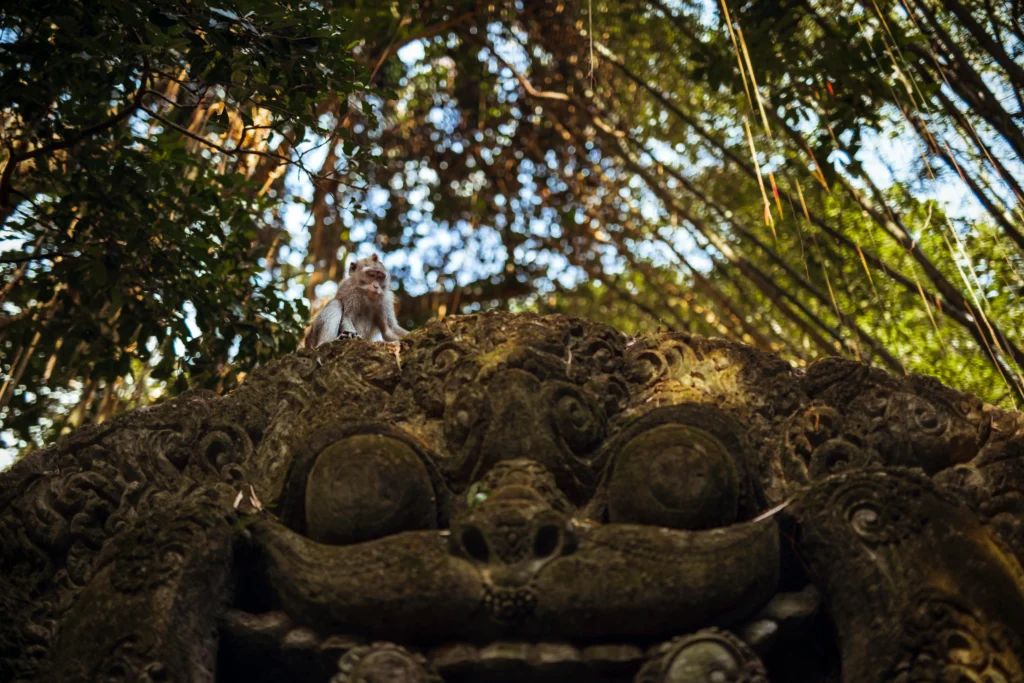
The Ubud Monkey Forest formally called Mandala Suci Wenara Wana is home to over 700 long-tailed macaques living inside an active temple complex dating back to the 14th century. It sounds like a tourist trap. It’s not, really. The temples are genuinely old and atmospheric, the forest is dense and cool, and the monkeys are absolutely feral in the best possible way.
A few things you should know going in: don’t bring food (they will find it and they will take it), keep your sunglasses on your face not on your head, and skip the loose jewelry. One traveler we heard about lost a granola bar, a hair tie, and her dignity in under four minutes.
The outer gates open at 9 AM. Get there as close to that as possible if you want some space.
📍 Entry fee: ~$5 USD | Time needed: 1–2 hours
👉 Book a guided Monkey Forest & Ubud highlights tour on Viator
2. Walk the Tegallalang Rice Terraces
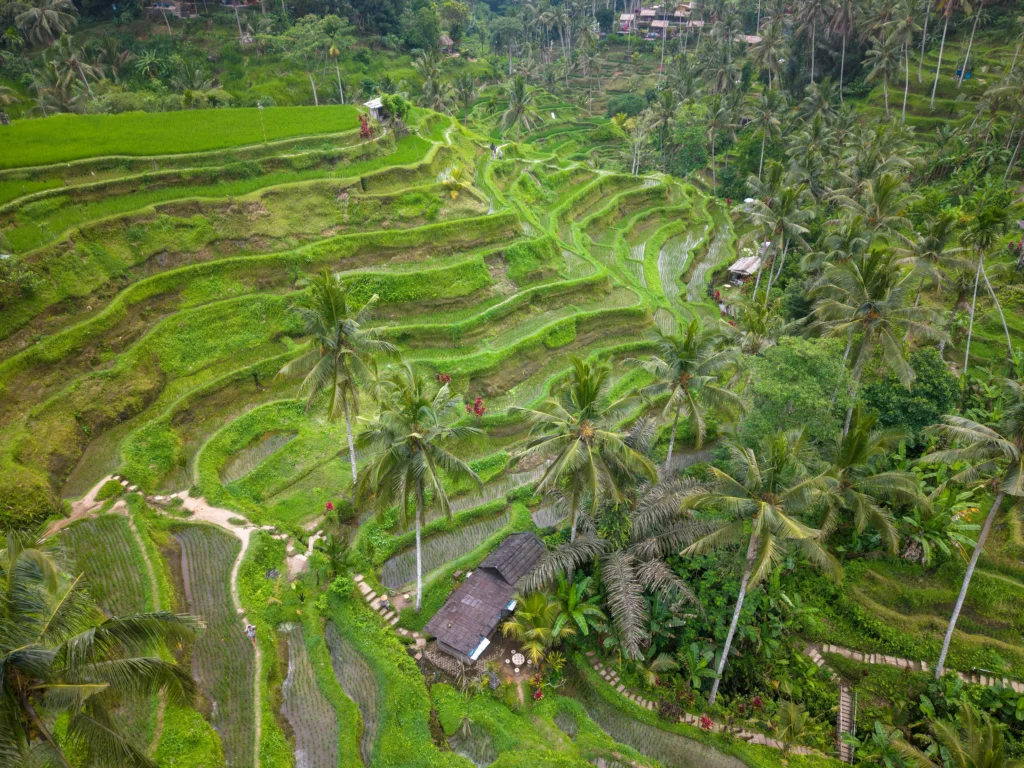
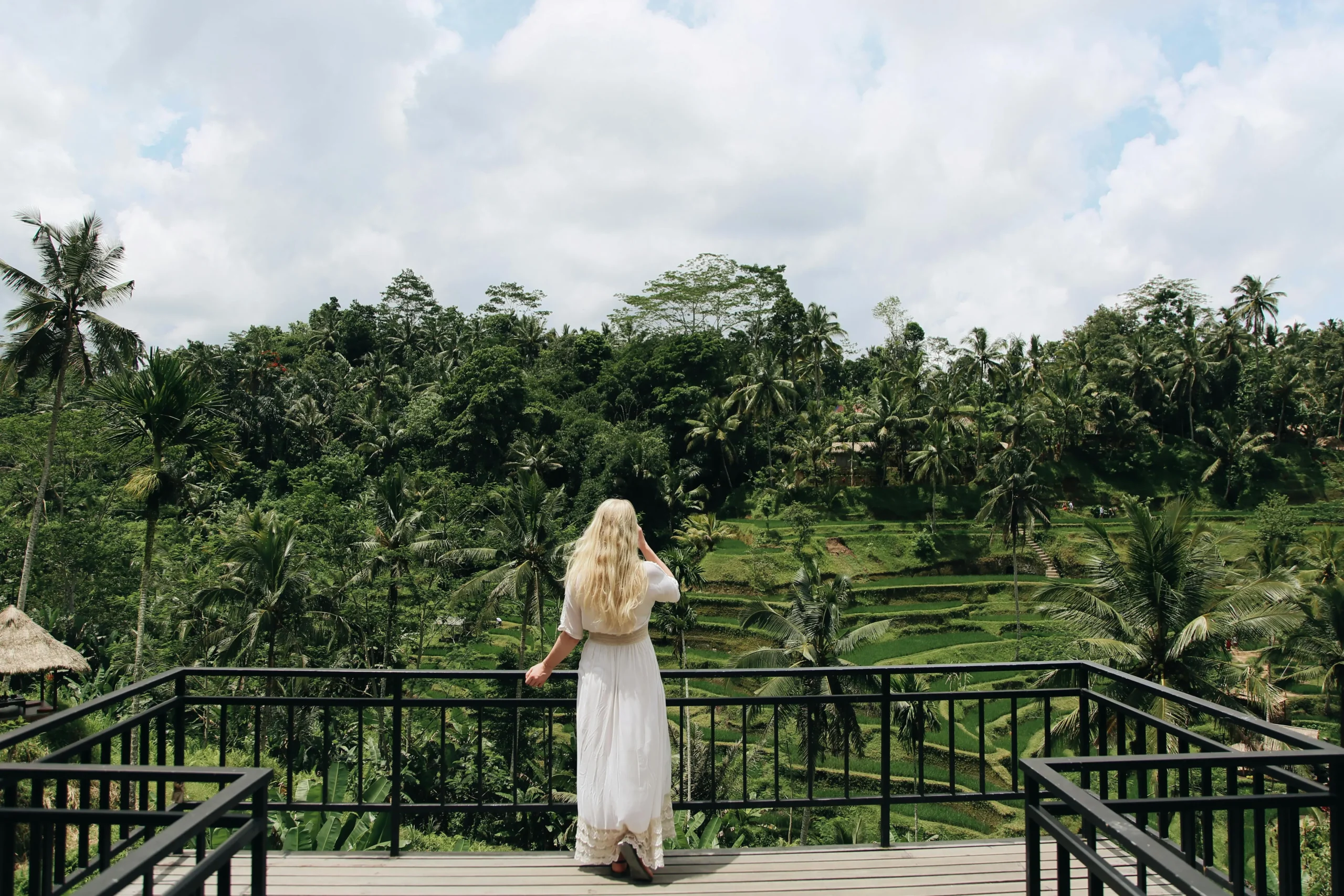
About 20 minutes north of central Ubud, the Tegallalang Rice Terraces look exactly like the photos — which is both a testament to how genuinely beautiful they are and a warning that half of Bali’s tourists will be there trying to photograph the same view.
Go between 8 and 10 AM. The light is soft, the air is cooler, and you’ll actually be able to walk the narrow paths without shuffling behind a group of thirty people.
The terraces use a traditional irrigation method called subak — a communal water-sharing system that’s been around for centuries and earned UNESCO recognition. You’re not just looking at pretty paddies; you’re looking at a functioning agricultural system that’s older than most countries.
Small donation stalls pop up at various entry points along the main paths. A dollar or two is expected and fair.
📍 Free to enter | Donations appreciated along the paths
👉 Book a Tegallalang Rice Terrace guided tour on Viator
3. Visit Ubud Royal Palace
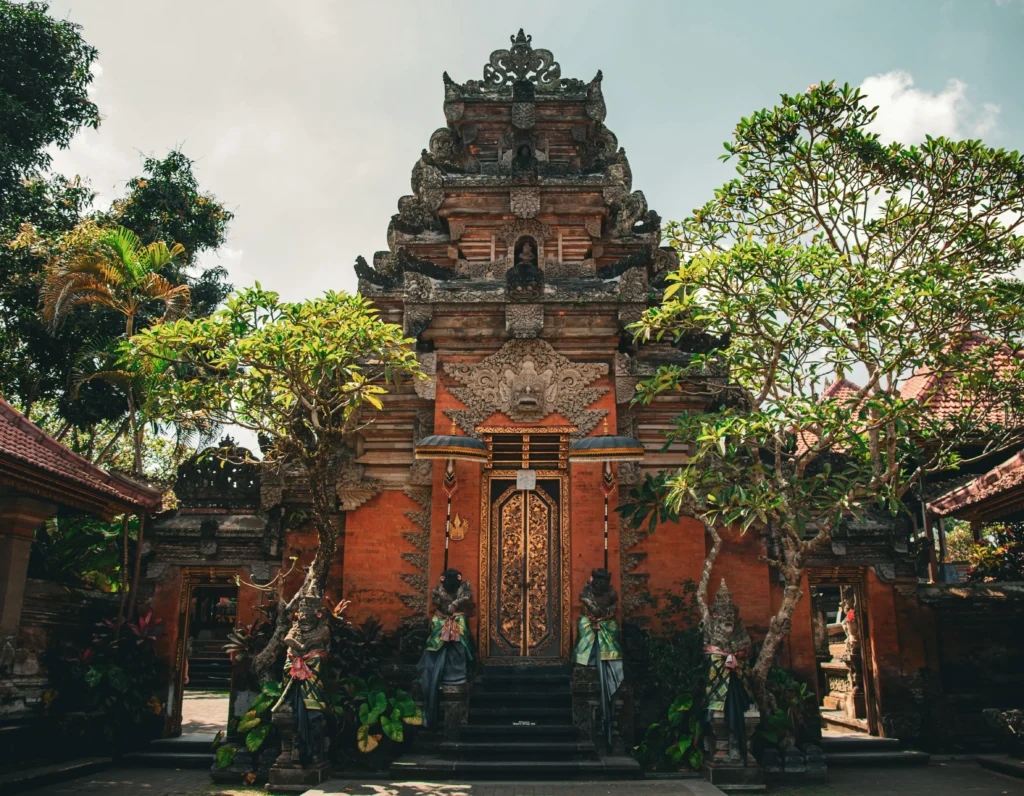
The Ubud Royal Palace (Puri Saren Agung) sits right at the main intersection in town, which means most people walk past it several times before actually going in. Don’t make that mistake.
The outer courtyard is free to enter during the day. The stone carvings are intricate and well-preserved, and it gives you a sense of how central the royal family still is to Ubud’s cultural identity — this isn’t a museum, it’s an active residence.
The real reason to time your visit here, though, is the evening dance performances. Most nights at 7:30 PM, the palace courtyard hosts Kecak or Legong performances. Arrive by 7:00 to get a decent seat. Tickets are cheap — around $10 — and the setting, surrounded by candlelit stone walls, makes the whole thing feel like something you stumbled into rather than paid for.
The Ubud Art Market is directly across the street, so combine both in the same morning or evening visit.
📍 Location: Jl. Raya Ubud, central Ubud | Outer courtyard: Free
4. Take Part in the Ritual at Tirta Empul
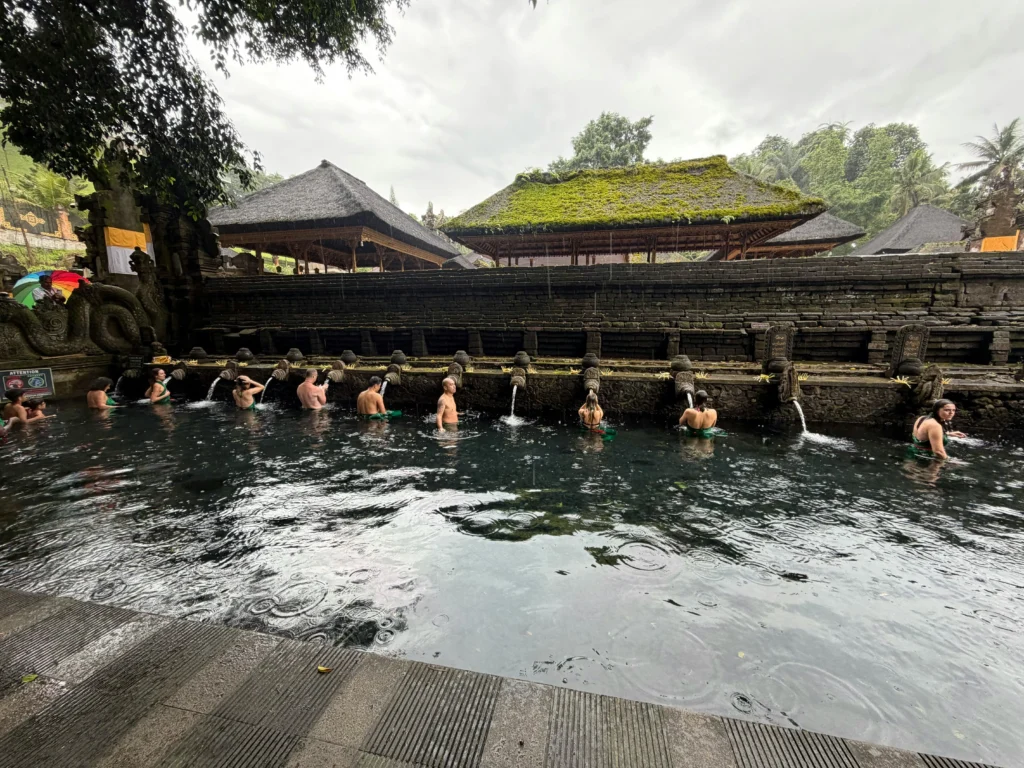
Tirta Empul is one of Bali’s holiest temples, built around a natural spring that Balinese Hindus believe has genuine purifying power. Pilgrims travel from across the island to wade through the temple’s pools and bathe under the stone spouts in a cleansing ritual called melukat.
Visitors can participate too, and it’s one of those experiences that’s hard to explain to people back home. You’re standing in sacred water in a 1,000-year-old temple while devout locals pray around you. It’s humbling in a way that most “cultural experiences” on offer in Bali aren’t.
Wear a sarong (they’re provided at the entrance), bring a change of clothes if you’re bathing, and move slowly. This is an active place of worship, not a photo backdrop.
📍 Entry fee: ~$30 USD | Time needed: 1–2 hours
👉 Book a Tirta Empul & East Bali temples tour on Viator
5. Walk the Campuhan Ridge at Sunrise
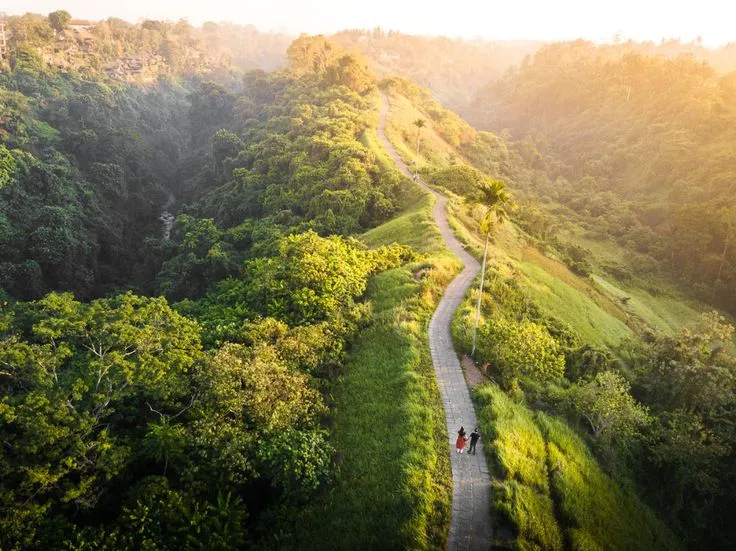
The Campuhan Ridge Walk is a 2km trail that winds along a narrow jungle ridge above two rivers, with open views over the valley on both sides. It’s free, it takes about 90 minutes at a relaxed pace, and it’s one of the best things to do in Ubud if you want a break from temples and markets.
The trailhead starts near the Warwick Ibah Luxury Villas, a short walk from central Ubud. Go between 6 and 8 AM — before the sun gets aggressive and before the path gets crowded. Parts of the trail are fully exposed, so bring sunscreen even if you’re going early.
This is also a good one to do solo. Something about the quiet of the ridge in the morning tends to put things in perspective.
📍 Free | Best time: 6–8 AM or 4:30–6 PM
6. Take a Balinese Cooking Class
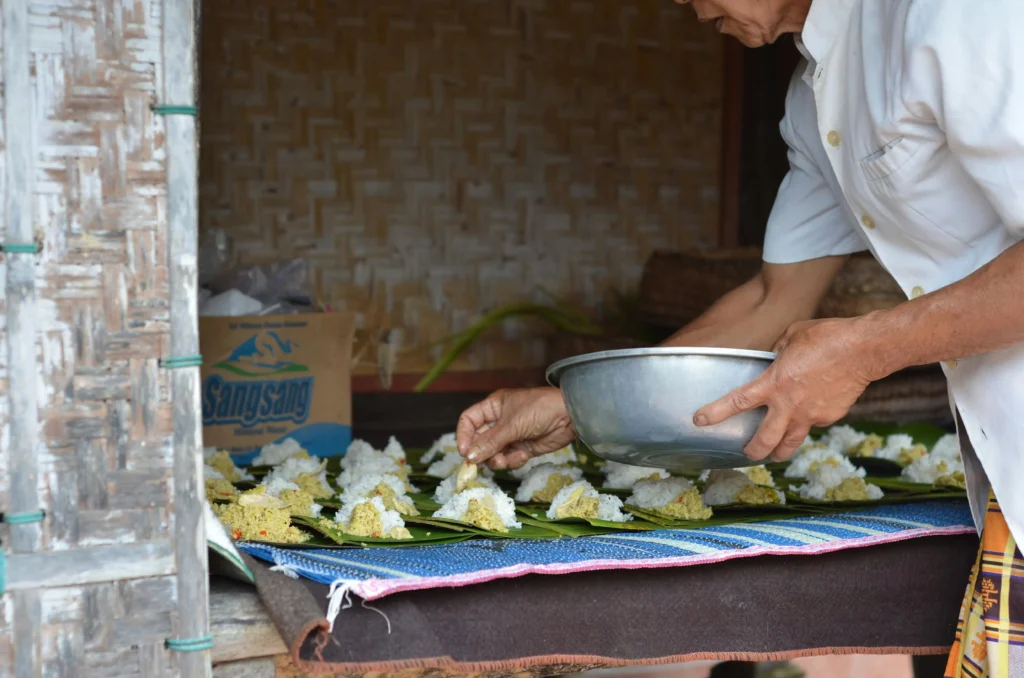
This is one of those activities that sounds nice in theory and turns out to be genuinely one of the highlights of the trip. Most Ubud cooking classes start at a local morning market — you walk around with a local guide, learn what you’re looking at, and pick up the ingredients you’ll cook with. Then you head to an open-air kitchen, usually surrounded by rice paddies, and spend a few hours making traditional dishes from scratch.
Typical dishes include nasi goreng, mie goreng, satay, lawar, and jamu (a traditional herbal tonic). You eat everything you make. The portions are generous.
Classes that include the market visit are worth the slightly higher price — that part of the morning is half the experience. Book at least a day or two ahead; the good classes fill up consistently.
Most run from around 8 AM to 1 PM and cost $35–$60 USD.
👉 Book a highly rated Ubud cooking class on Viator
7. Browse the Ubud Art Market
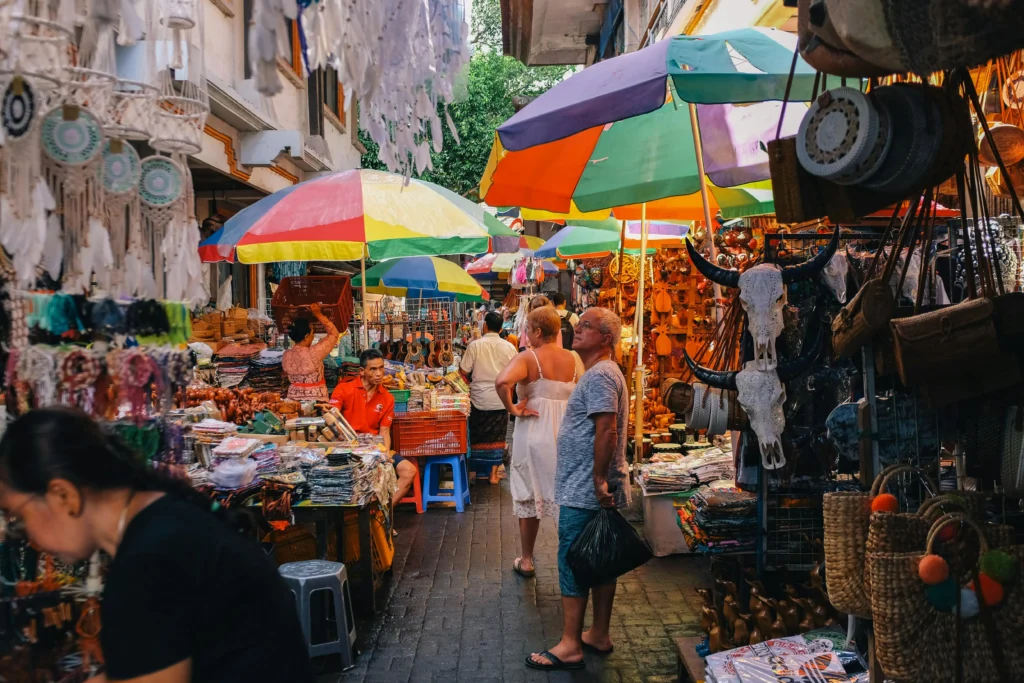
The Ubud Art Market (Pasar Seni) is packed with wooden carvings, batik cloth, silver jewelry, woven bags, paintings, and plenty of stuff that’s clearly mass-produced alongside pieces that are genuinely handmade. Learning to tell the difference takes a few laps around.
Bargaining is standard. Start around half the asking price and work your way up from there — sellers expect it and the back-and-forth is generally good-natured. The upper floor tends to have better quality and slightly less foot traffic than the ground level.
Go in the morning. By afternoon the energy shifts and the hawking gets more persistent.
📍 Location: Directly across from Ubud Palace | Open: Daily from 8 AM
8. See the Kecak Fire Dance
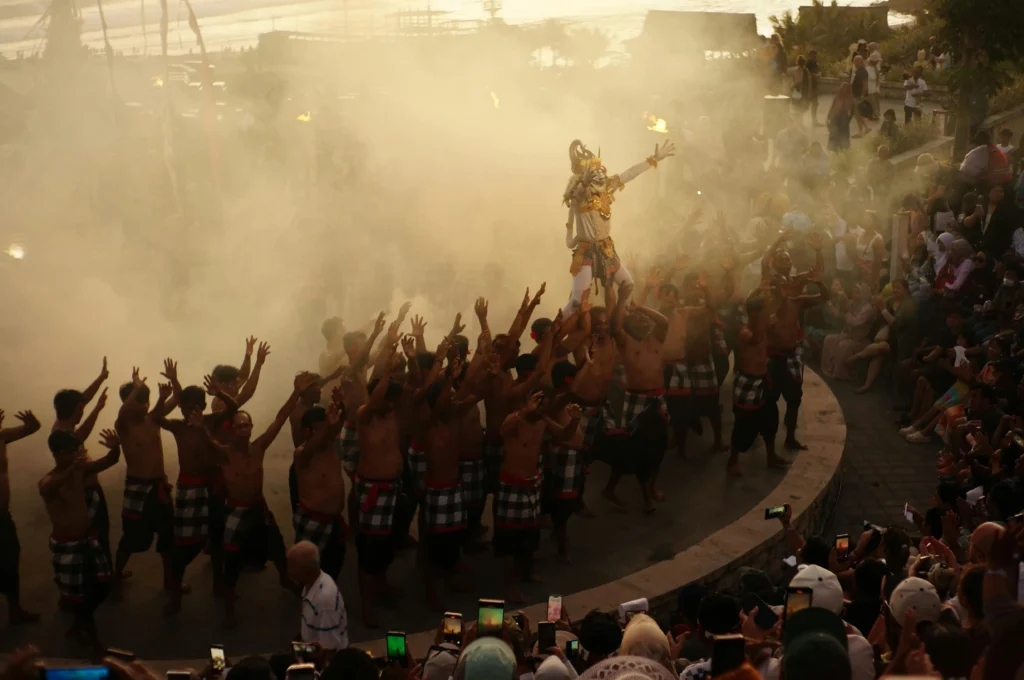
The Kecak Dance is performed by a large circle of men — sometimes 50 or more — who chant a rhythmic “cak cak cak” while dancers act out scenes from the Hindu epic Ramayana. There are no instruments. Just voices and fire and a kind of focused intensity that makes the whole thing feel more like ritual than performance.
The most dramatic setting is at Uluwatu Temple, perched on a cliff above the Indian Ocean. The performance starts at sunset and the backdrop of the sea turning orange behind the stage is genuinely one of those travel moments people talk about for years. It’s about a 90-minute drive from Ubud, so most people do it as part of a day trip south.
If you’d rather stay closer to town, Ubud Palace hosts nightly performances that are excellent in their own right.
Tickets are around $10–15 USD either way.
👉 Book a Kecak Dance at Uluwatu with transport on Viator
9. Visit a Waterfall (or Two)
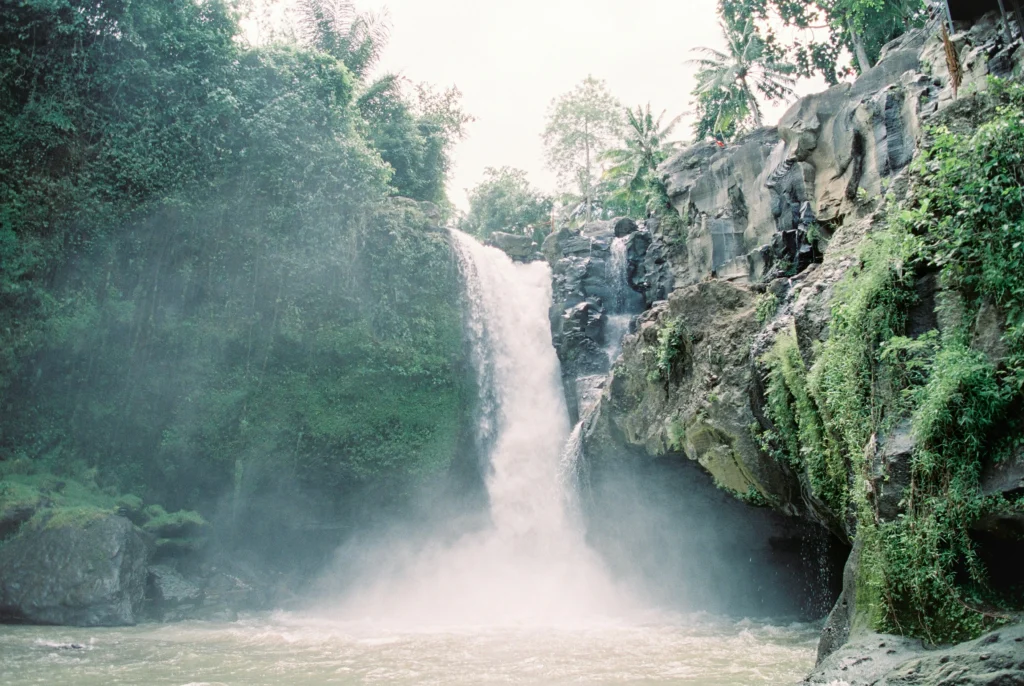
The jungle around Ubud hides a surprising number of waterfalls within easy reach of town. A few worth knowing about:
- Tegenungan Waterfall — the closest (~30 min from Ubud), strong flow, good for swimming, gets crowded by mid-morning
- Kanto Lampo Waterfall — smaller but incredibly photogenic, water fans out over a curved mossy rock face
- Tibumana Waterfall — quieter, lush approach through the jungle, worth it for the walk alone
- Sekumpul Waterfall — two hours north, requires a guide and a short jungle hike, but it’s the most dramatic waterfall in Bali by a decent margin
Wear shoes you don’t mind getting wet. Entrance fees are generally $2–5 USD. Mornings are significantly less crowded than afternoons.
👉 Book a Ubud waterfalls & temples day tour on Viator
10. Cycle Through the Villages
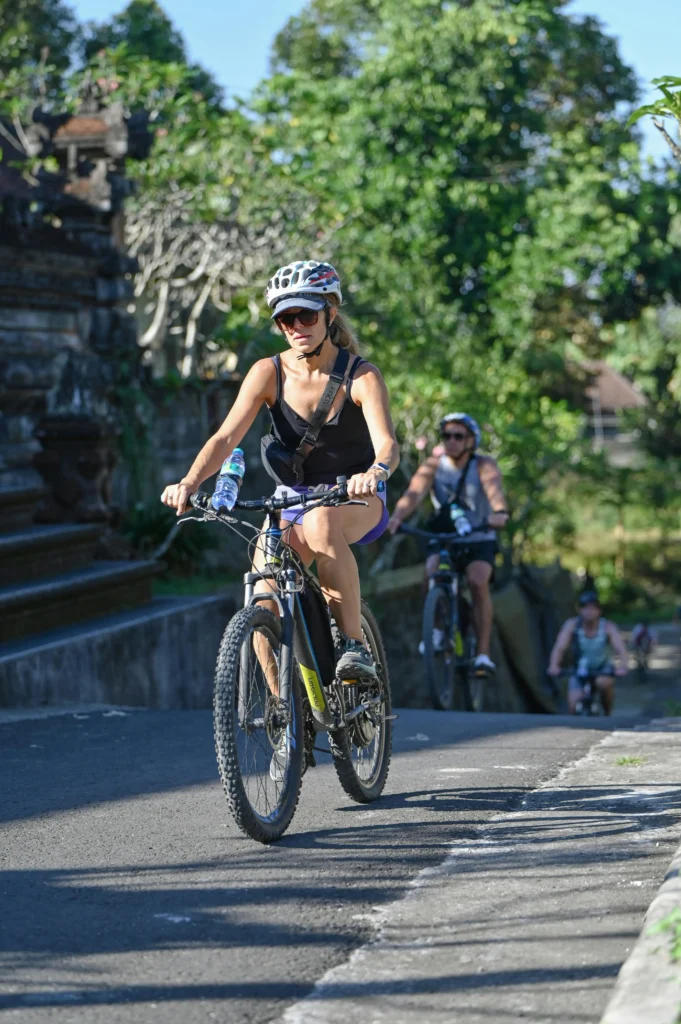
Guided cycling tours out of Ubud take you through a side of Bali that most travelers zip past on a scooter without stopping. You’ll pass through traditional villages, family temple compounds, coffee and cocoa plantations, and rice paddies at ground level — which feels completely different from looking at them from a viewpoint.
Most tours are designed to run mostly downhill from the highlands, so you don’t need to be fit or an experienced cyclist. It’s a few hours of gentle pedaling with stops along the way.
👉 Book a Bali countryside cycling tour on Viator
11. Duck Into Goa Gajah (Elephant Cave)
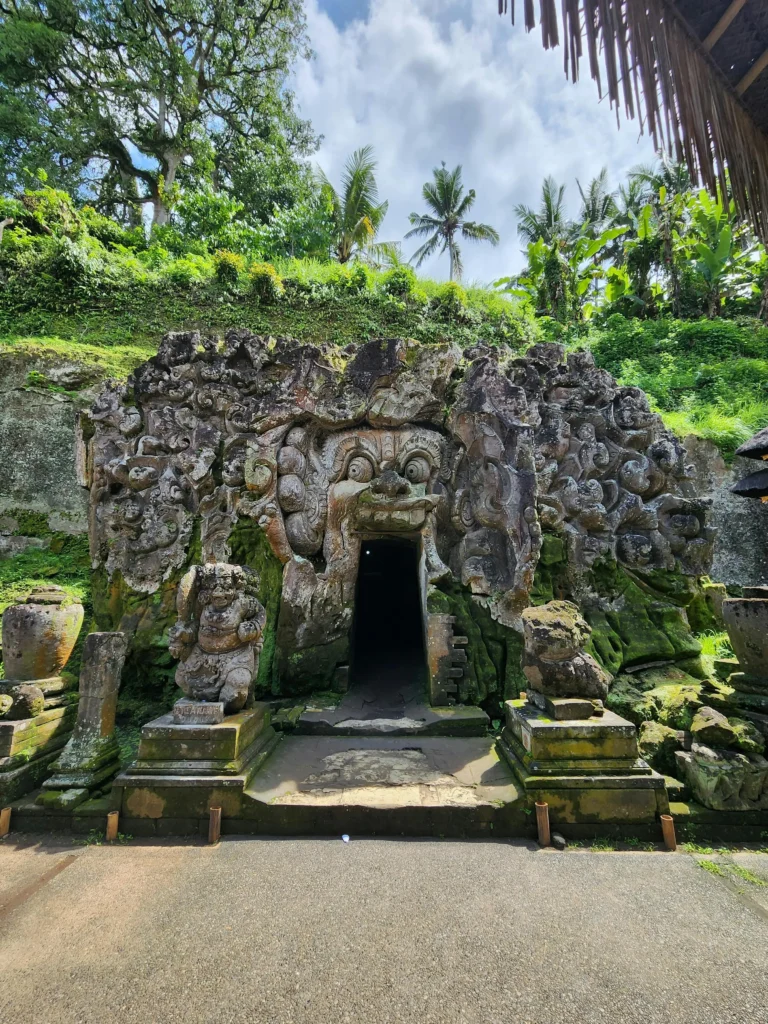
The Goa Gajah is an 11th-century cave temple a short drive from central Ubud. The entrance is a carved stone demon mouth you step through — the detail in the stonework is striking up close. Inside is a T-shaped meditation cave with niches carved into the walls. Outside, there are ancient bathing pools and scattered ruins half-swallowed by jungle.
It takes less than an hour and the entry fee is about $3. Easy to combine with a trip to Tirta Empul since they’re in the same direction.
📍 Entry fee: ~$3 USD | Time needed: 45–60 minutes
12. Try a Balinese Art or Craft Class
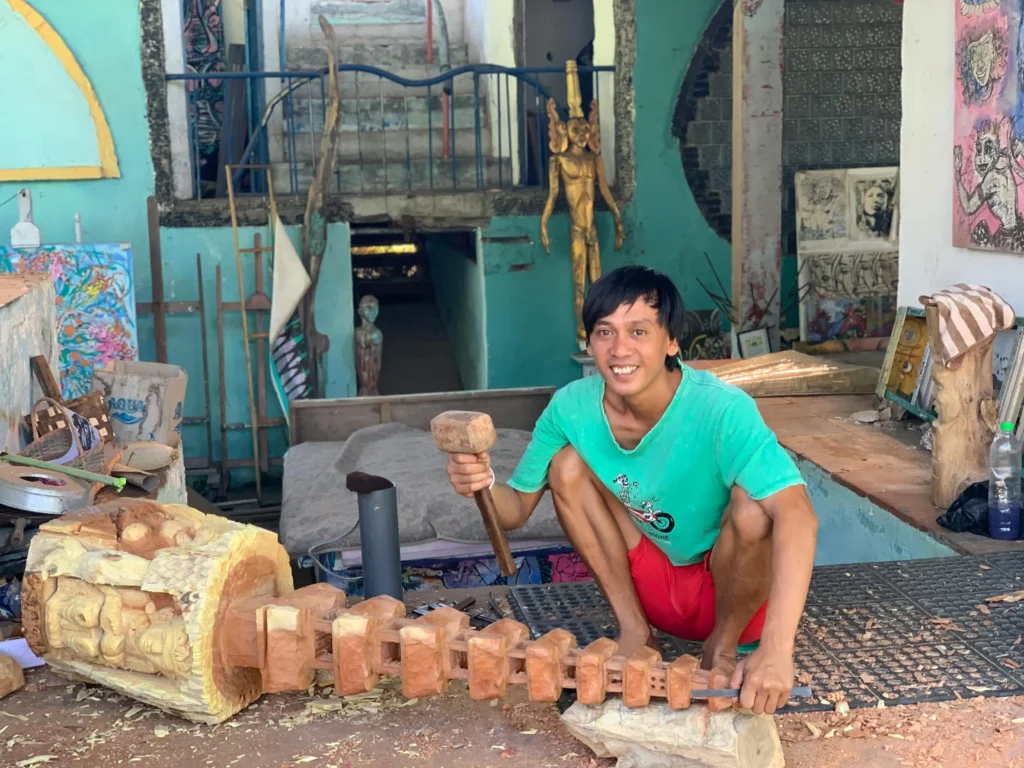
Ubud has been Bali’s center for traditional arts for generations — painters, woodcarvers, silversmiths, and batik makers have workshops throughout town and the surrounding villages. Taking a class gives you direct access to that tradition rather than just buying the end product at a market stall.
Options include traditional Balinese painting, silver jewelry making, wood carving, and batik fabric dyeing. Most are designed for beginners and run two to three hours. You leave with something you actually made, which ends up being a more interesting souvenir than anything you’d find at a shop.
👉 Browse Ubud art & craft classes on Viator
13. Hike Mount Batur for Sunrise
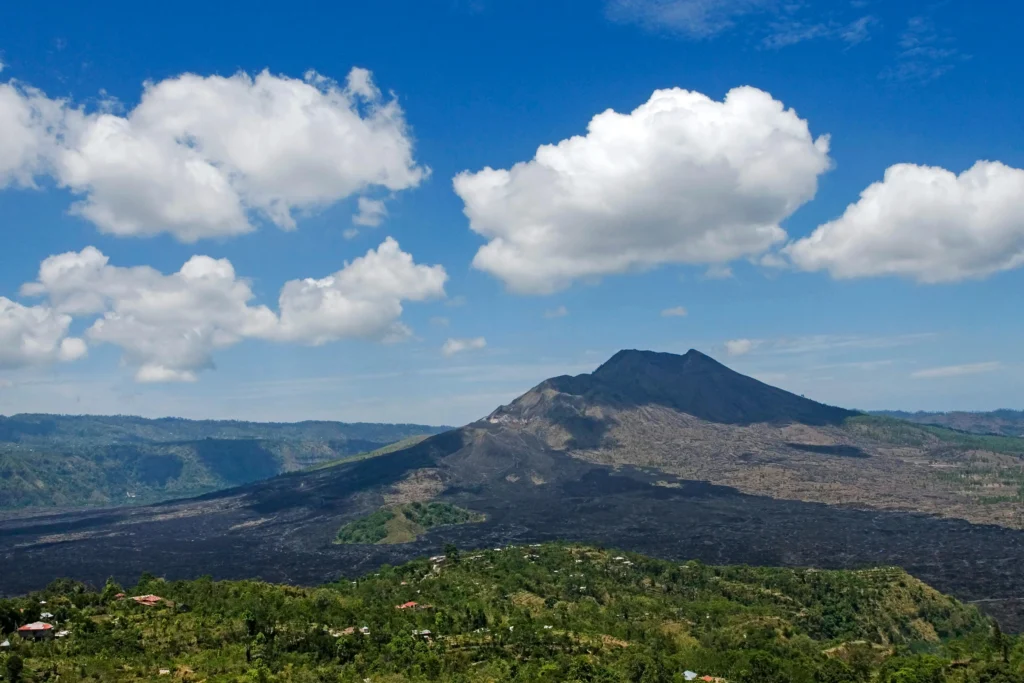
Mount Batur is an active volcano about 1.5 hours from Ubud, and hiking to the summit for sunrise is one of the most popular day trips in Bali for good reason. The trail takes about two hours up. You start in the dark at 2 or 3 AM, pick your way up the rocky path with a headlamp, and reach the 1,717m crater rim just as the sky starts turning.
The view from the top — caldera lake below, Mount Agung in the distance, a sea of clouds catching the first light — is the kind of thing that makes the 3 AM alarm feel worth it.
Go with a licensed guide. The path is unclear in sections and guides are officially required anyway. Bring layers — it gets cold at the top even when it’s warm at sea level.
👉 Book a Mount Batur sunrise trek with guide on Viator
14. Get a Balinese Massage
Bali has built a well-earned reputation for massage, and Ubud specifically has some of the best spas on the island. A traditional Balinese massage combines deep tissue pressure, gentle stretching, and aromatherapy — it’s more involved than a Swedish massage and most people find it genuinely effective rather than just relaxing.
Prices are low. A 60-minute full body massage runs $12–$20 USD at a good mid-range spa. Karsa Spa, Taksu Spa, and COMO Shambhala are consistently recommended. Stick to established places with actual reviews rather than the walk-in spots on the main street.
15. Go White Water Rafting on the Ayung River
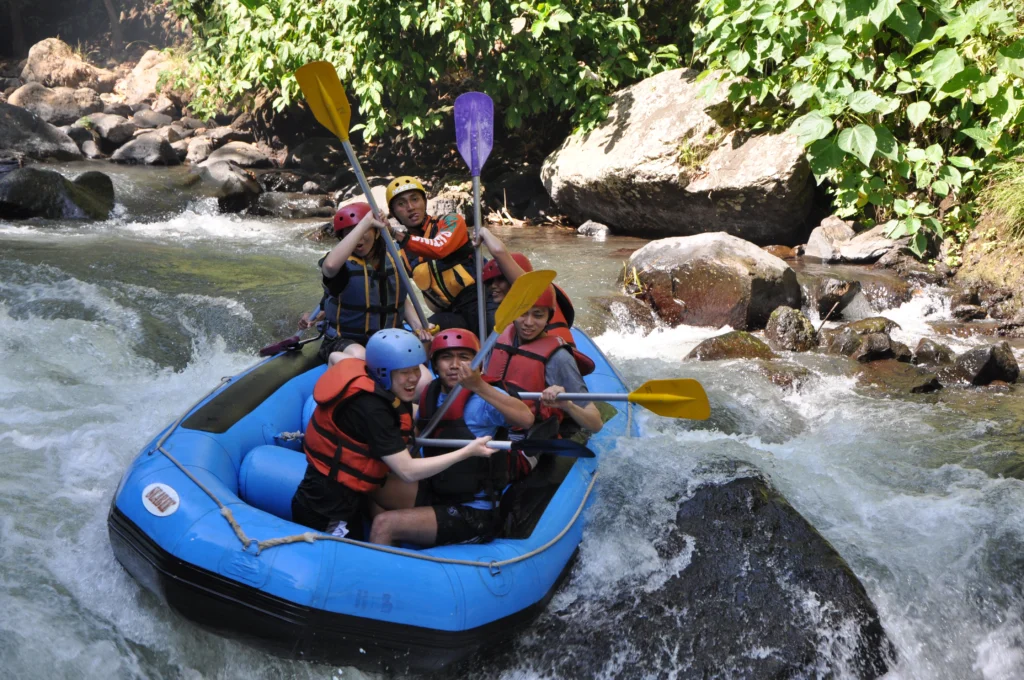
The Ayung River runs through a forested gorge west of Ubud and offers Class II–III white water — enough to be exciting without requiring any experience. The route takes you past jungle walls, small waterfalls, and carved stone reliefs that appear unexpectedly in the rock face along the banks.
Most tours include pickup from your hotel, all equipment, a guide in the raft, and a meal afterward. It runs about 2.5 hours on the water.
👉 Book Ayung River white water rafting on Viator
16. Take a Turn on the Bali Swing
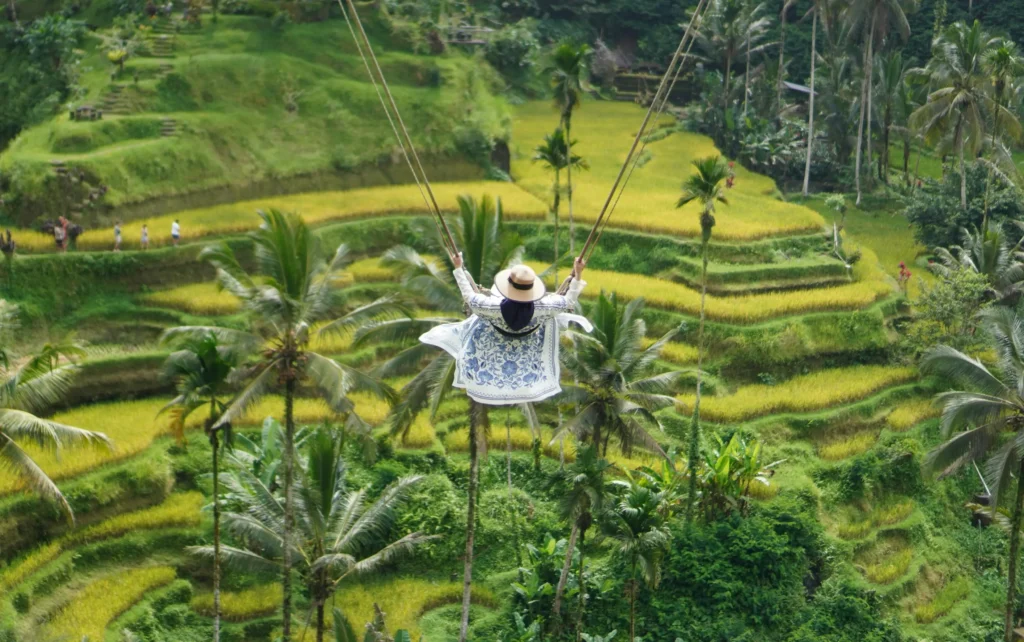
The Bali Swing near Tegallalang has become its own kind of pilgrimage for visitors — a giant wooden swing that launches you out over the jungle canopy above the rice terraces. It’s unapologetically touristy and also genuinely thrilling.
There are several operators in the area with swings at different heights and price points. Expect to pay $10–$35 USD depending on how high you want to go. The photo you’ll get out of it is objectively excellent.
📍 Cost: ~$10–$35 USD
Final Thoughts
Ubud has a way of becoming the part of the trip people talk about most when they get home. The things to do in Ubud aren’t flashy — no beach clubs, no nightlife to speak of — but they tend to stick with you. A sunrise from a volcano. A cooking class that turns into a three-hour conversation with a Balinese grandmother. A walk along a jungle ridge before the town wakes up.
Book your tours in advance, especially cooking classes and Mount Batur treks. The best spots fill up fast and last-minute options are usually the overpriced ones.
👉 Browse all Ubud tours and activities on Viator